HERDERIN: TRANSLATING RESEARCH INTO PRACTICE

About the Project

Herderin is a regenerative fashion brand I founded to address a problem I've lived with as a 6'0" tall woman and studied as a sociologist: the material infrastructure required for embodied identity work under conditions of market exclusion.

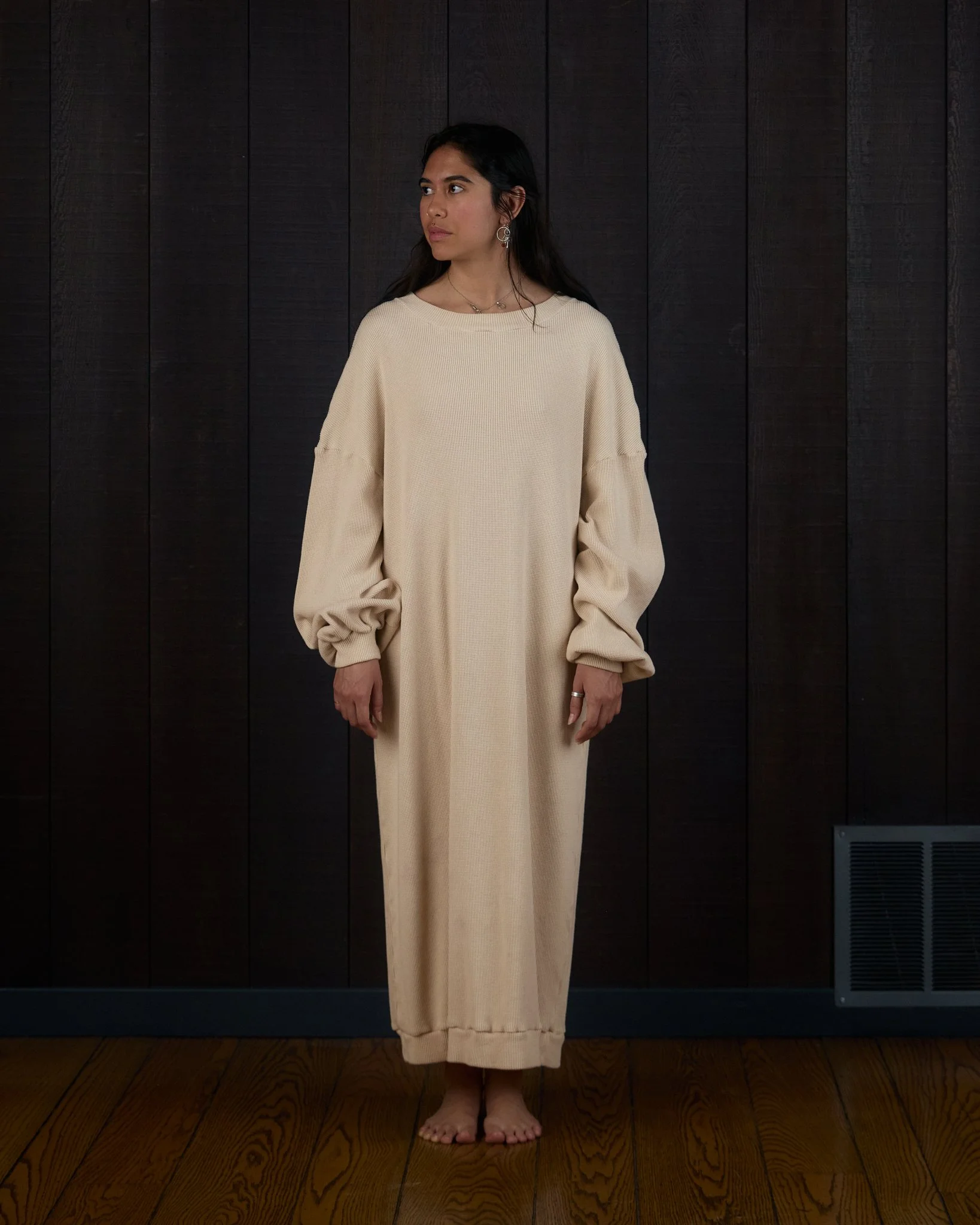
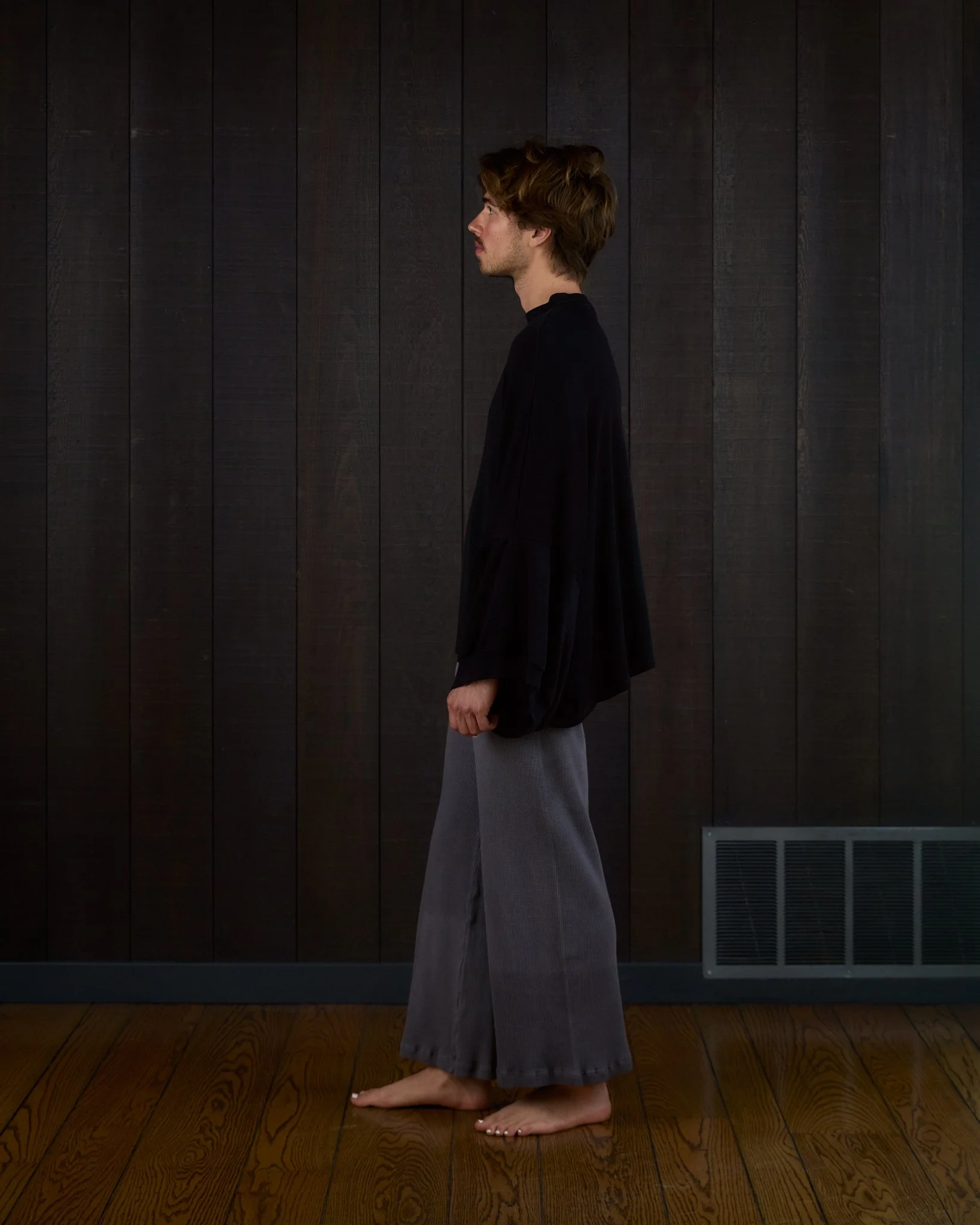
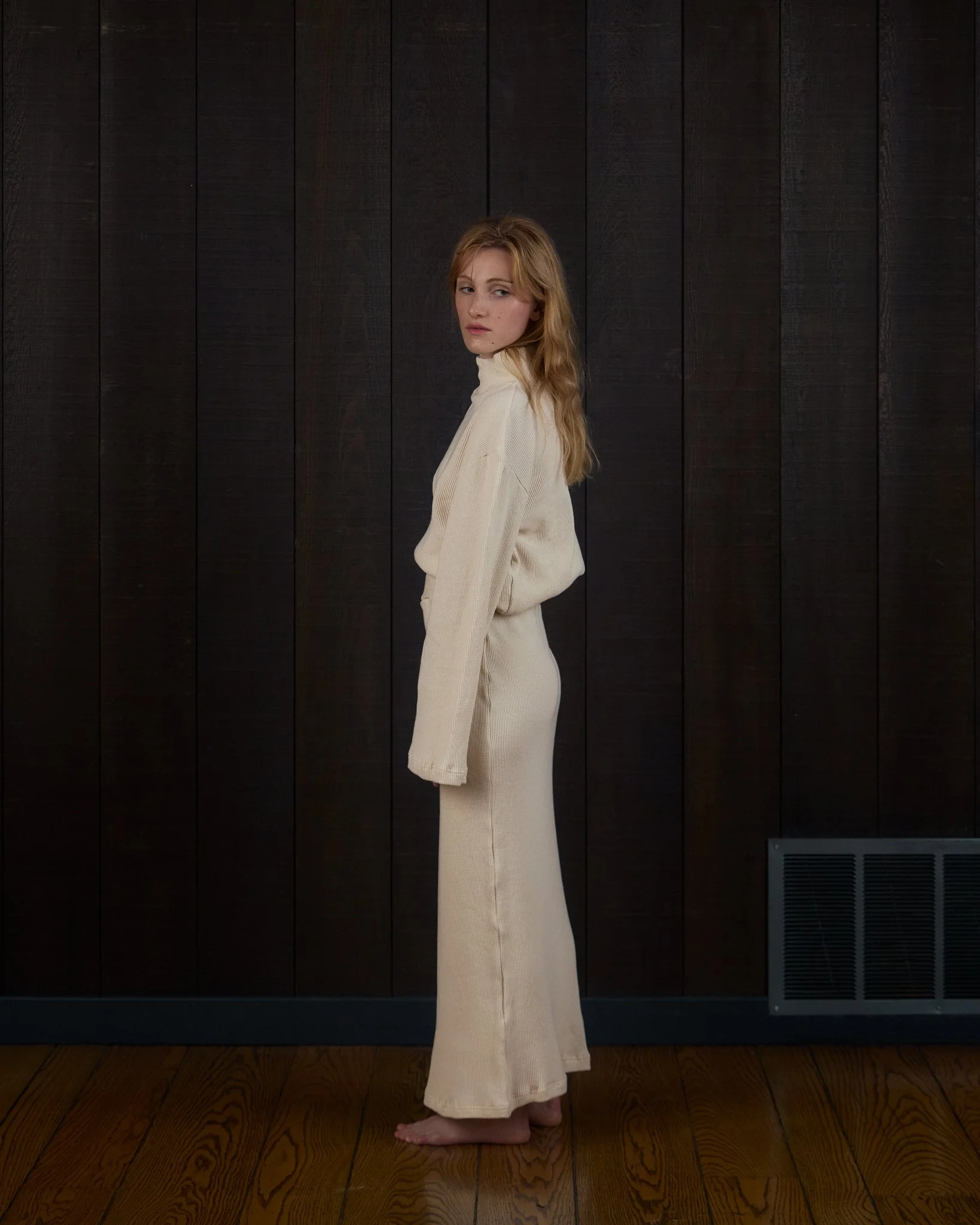
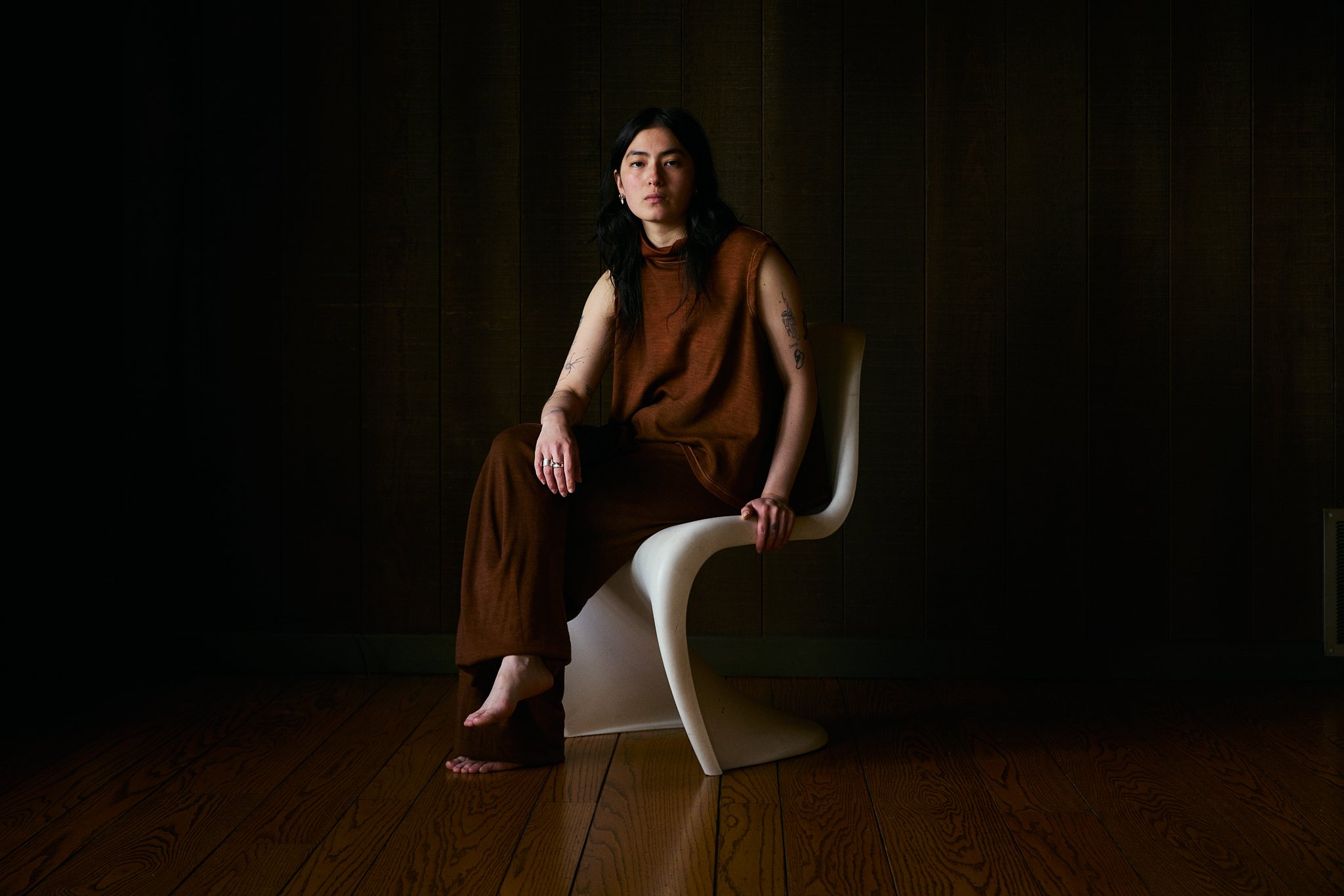
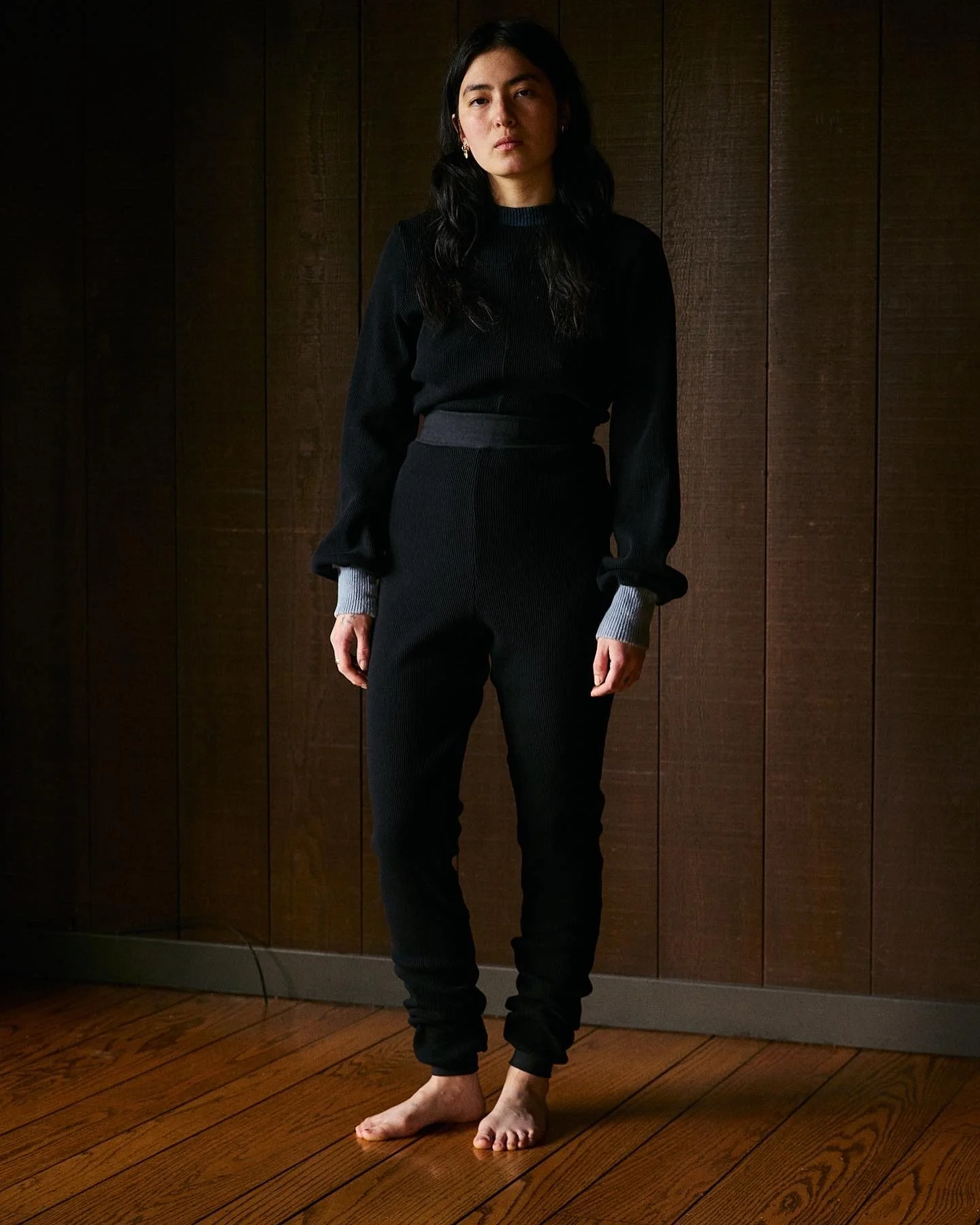
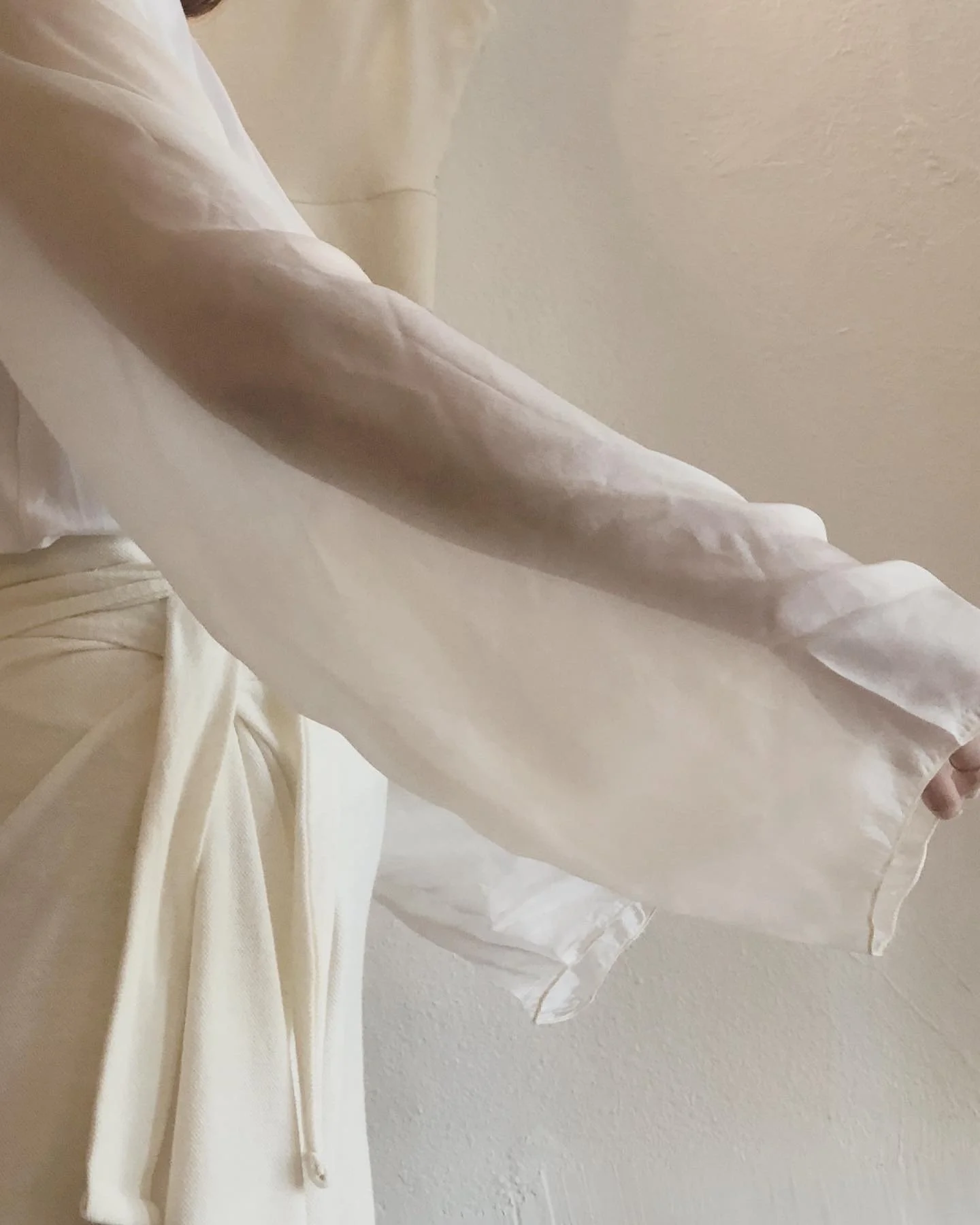
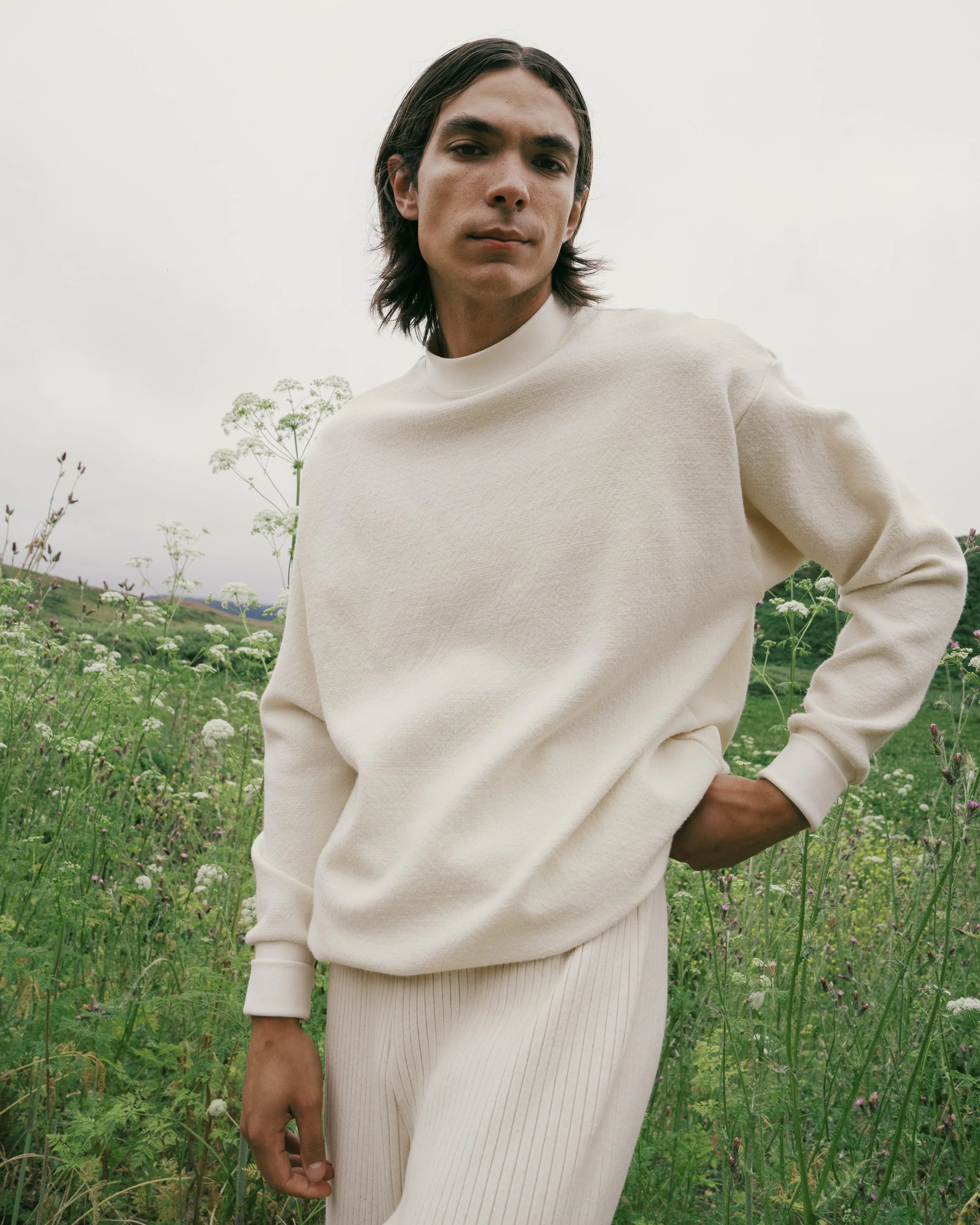
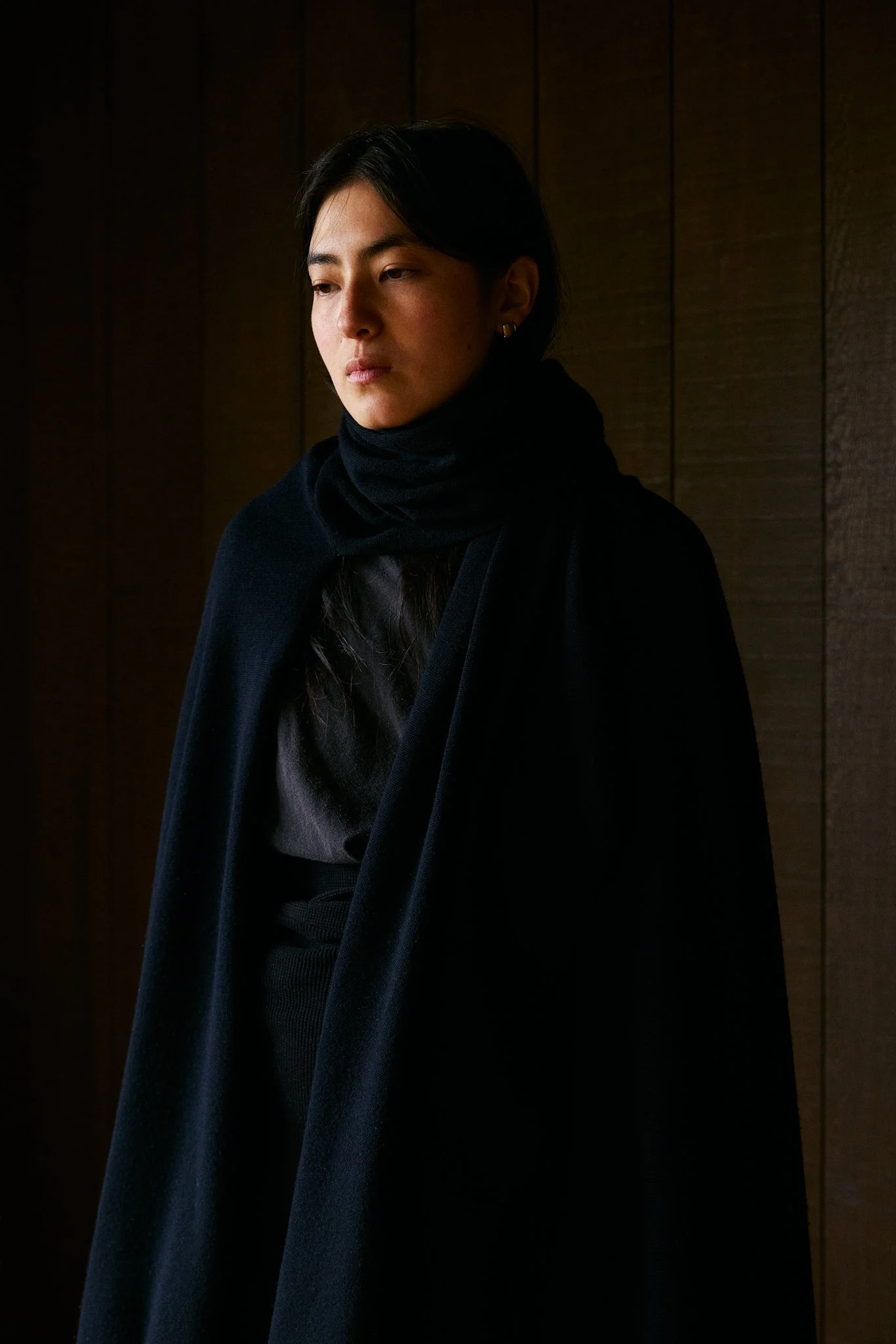
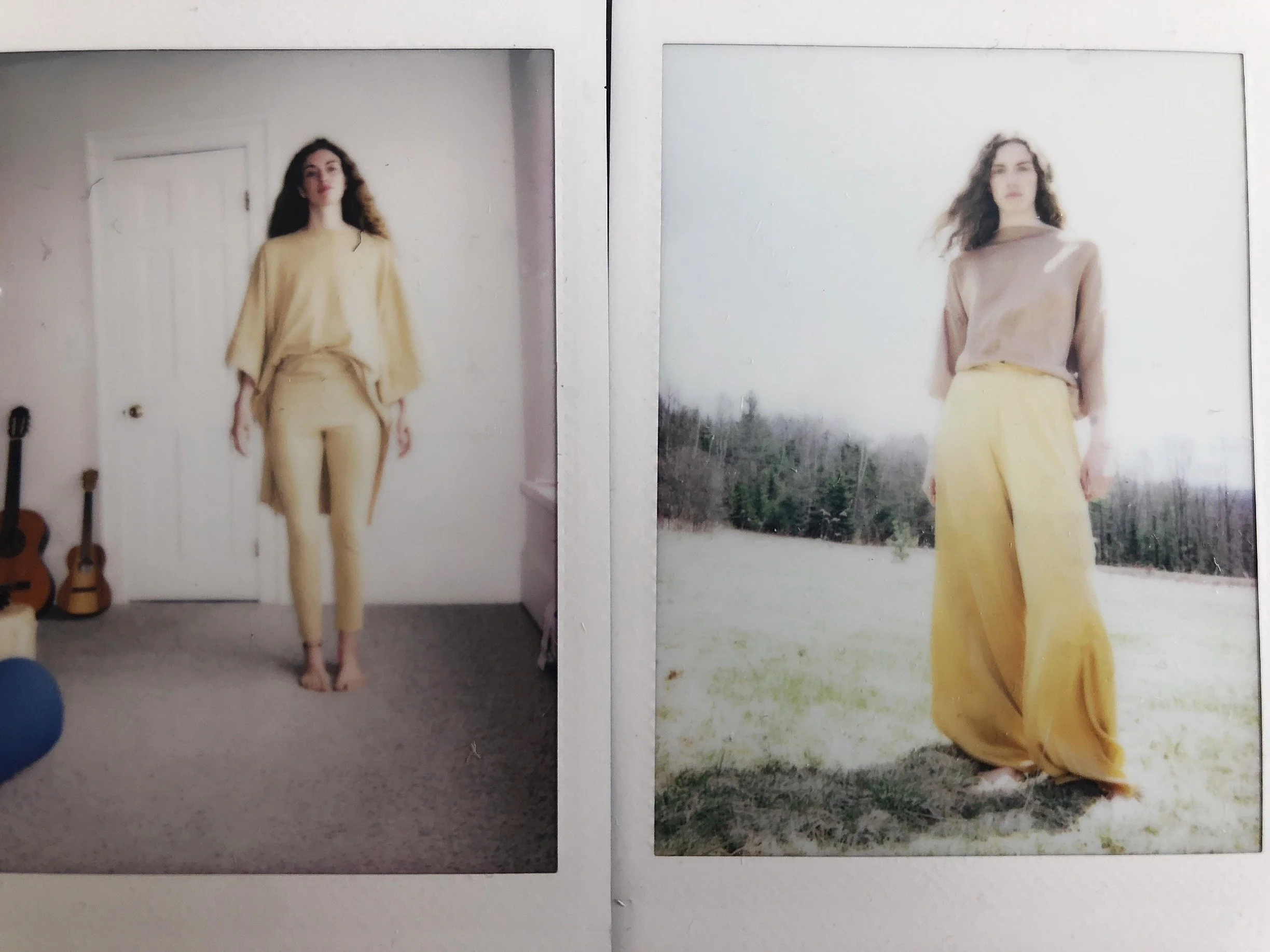
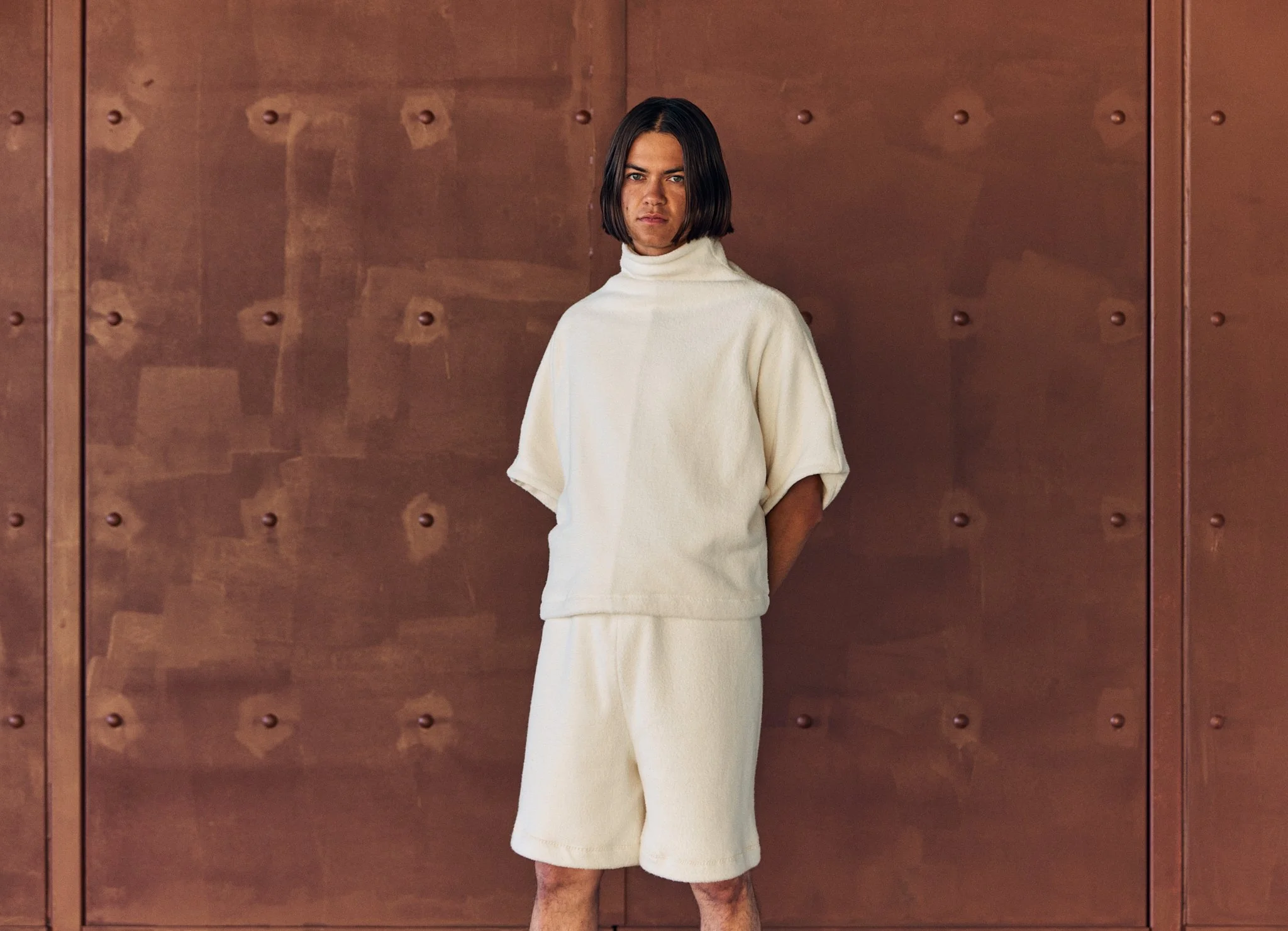
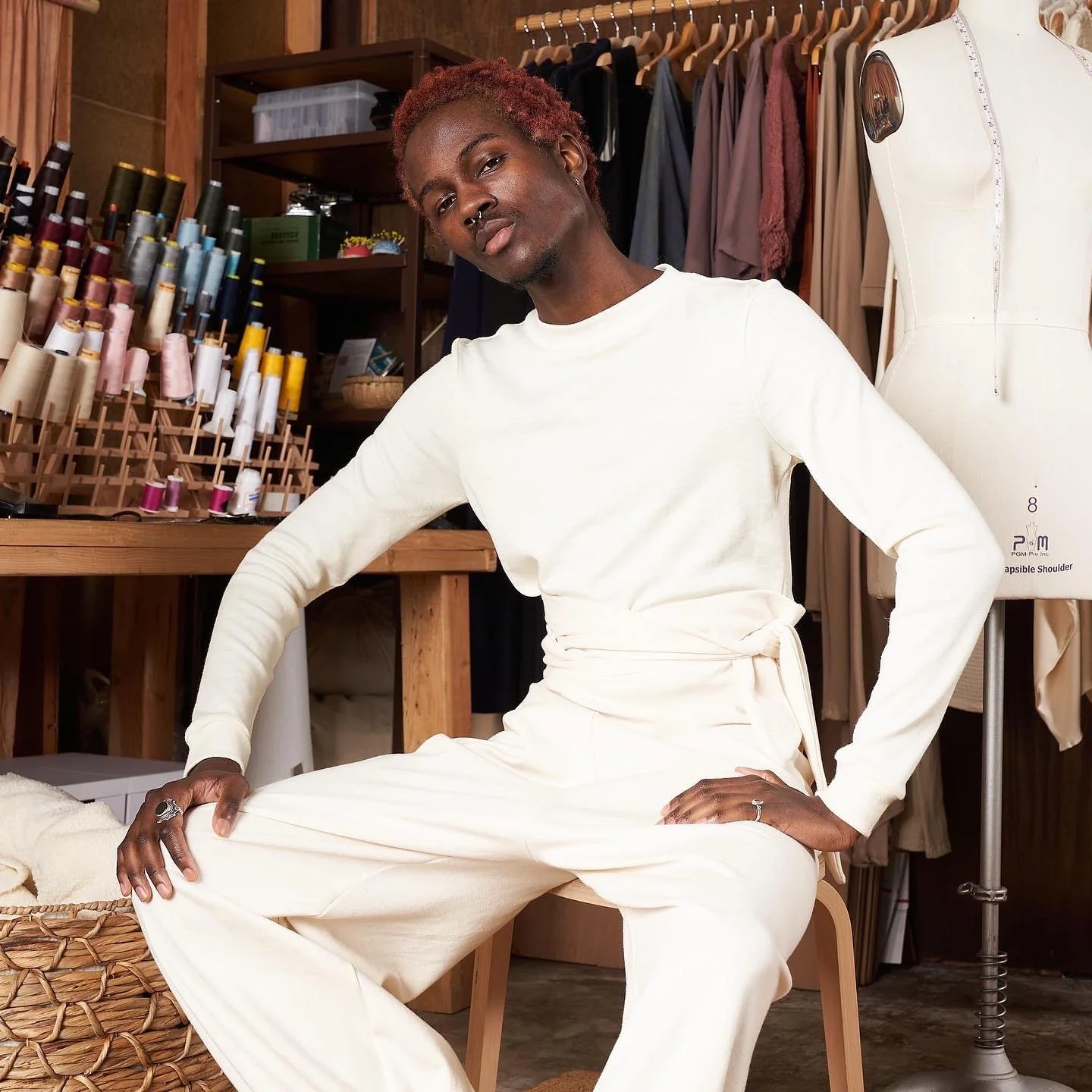
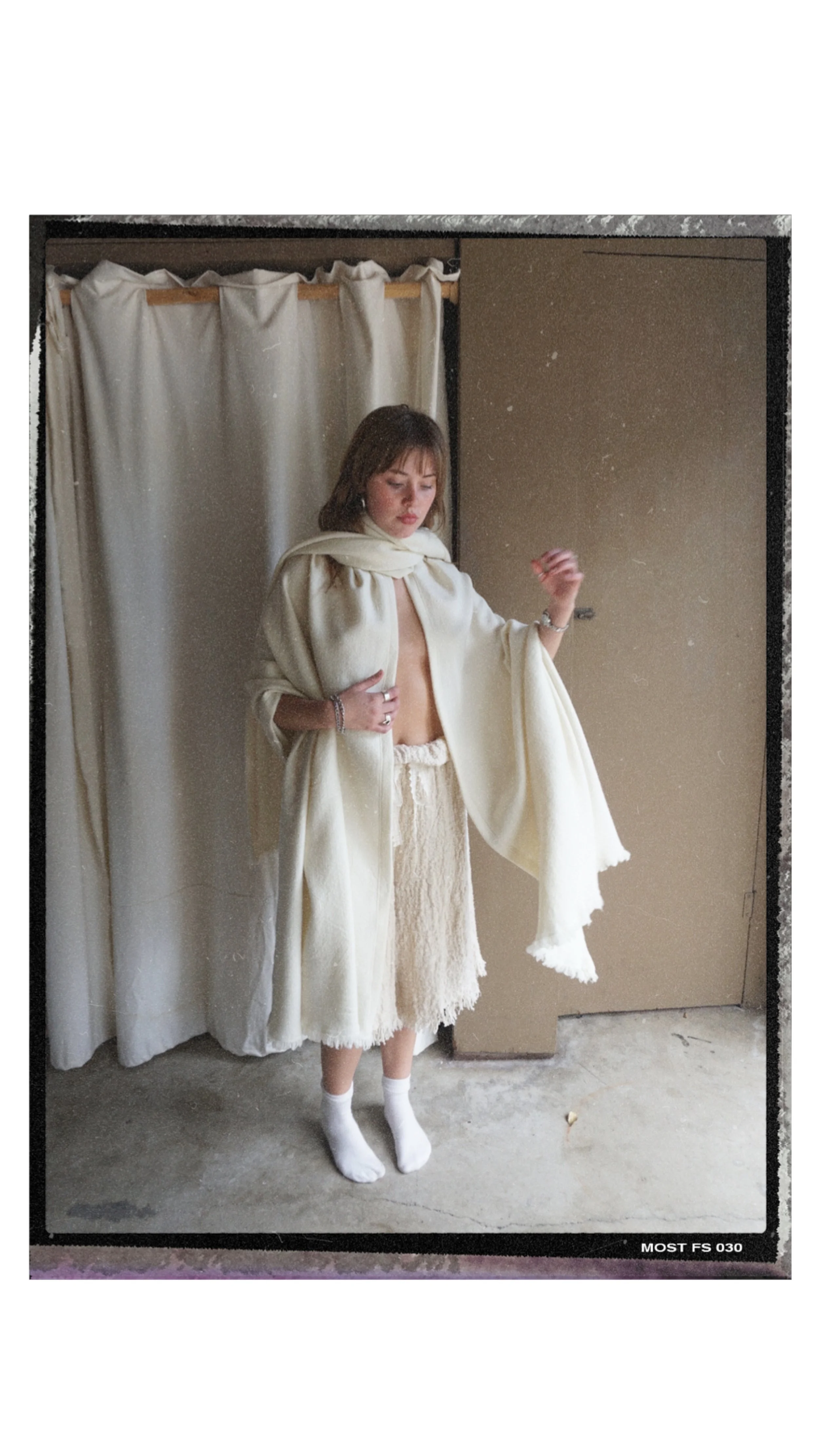
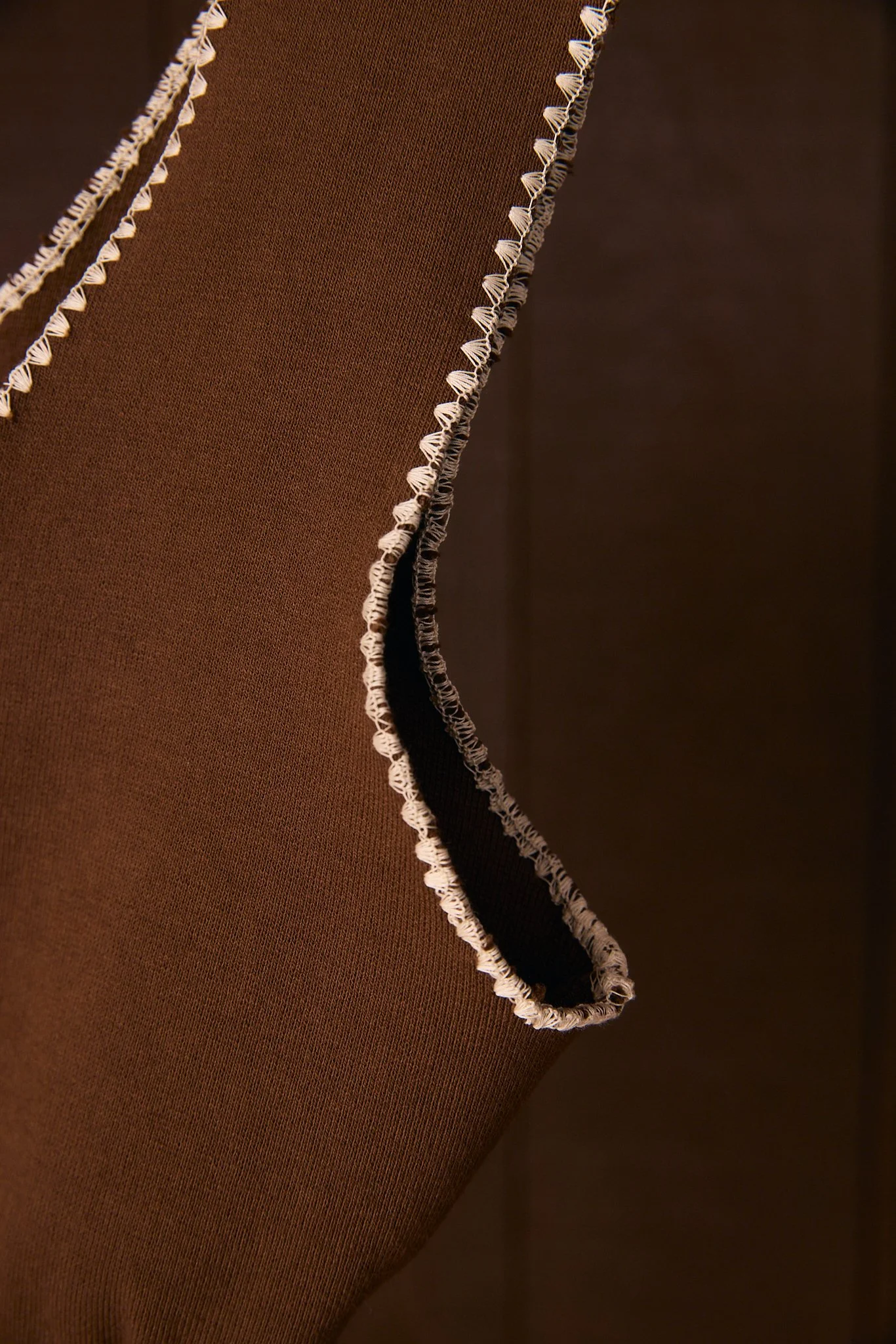
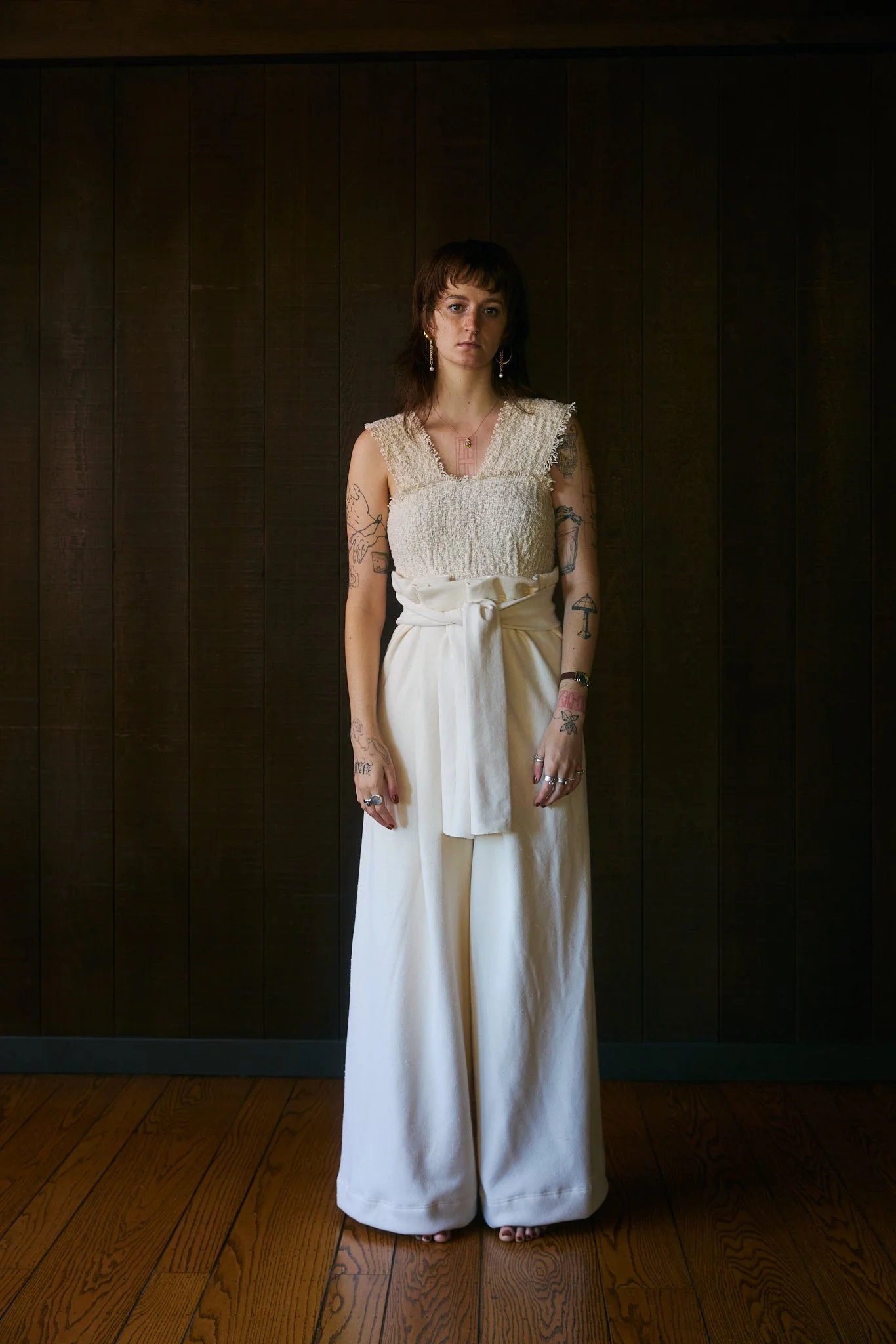
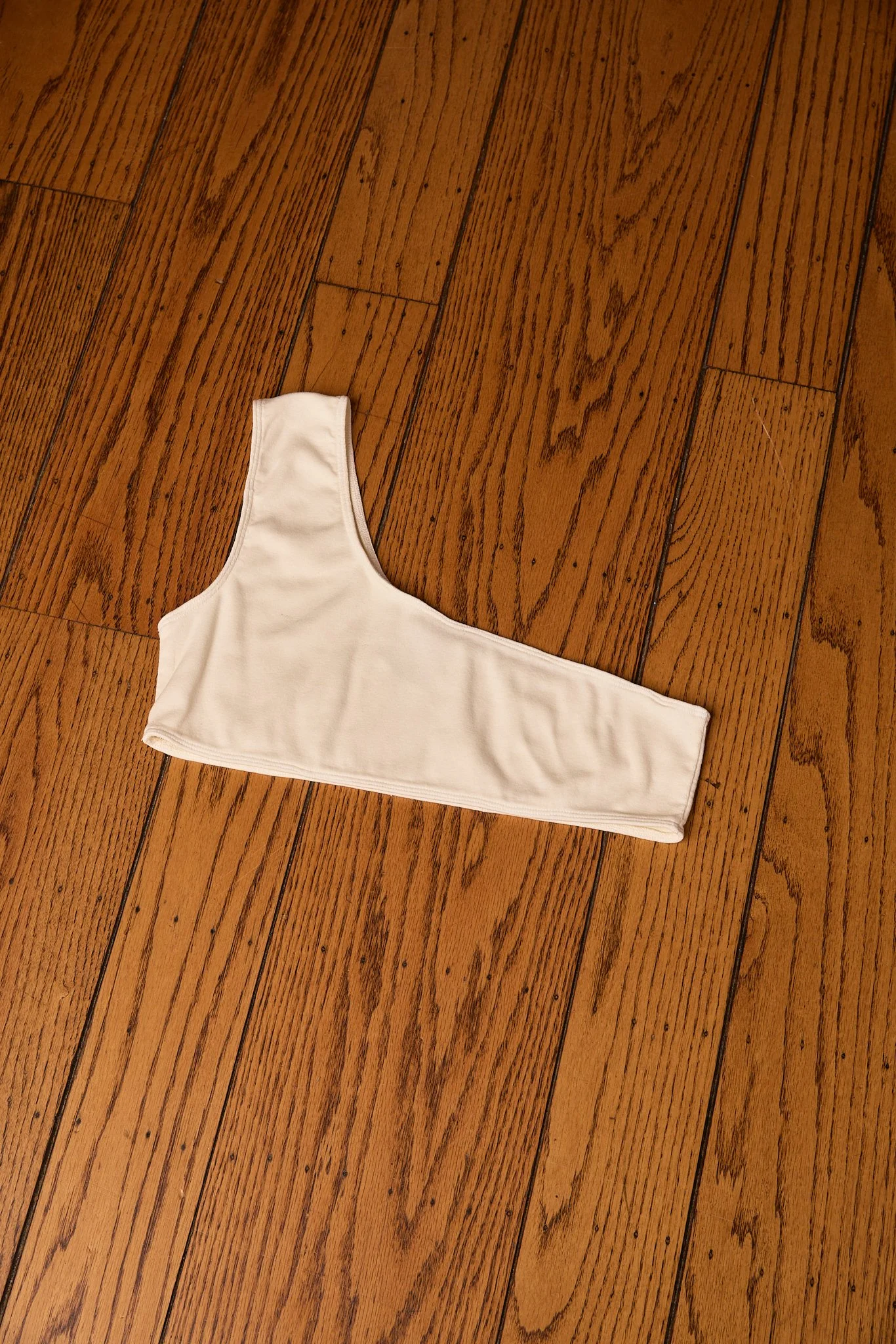
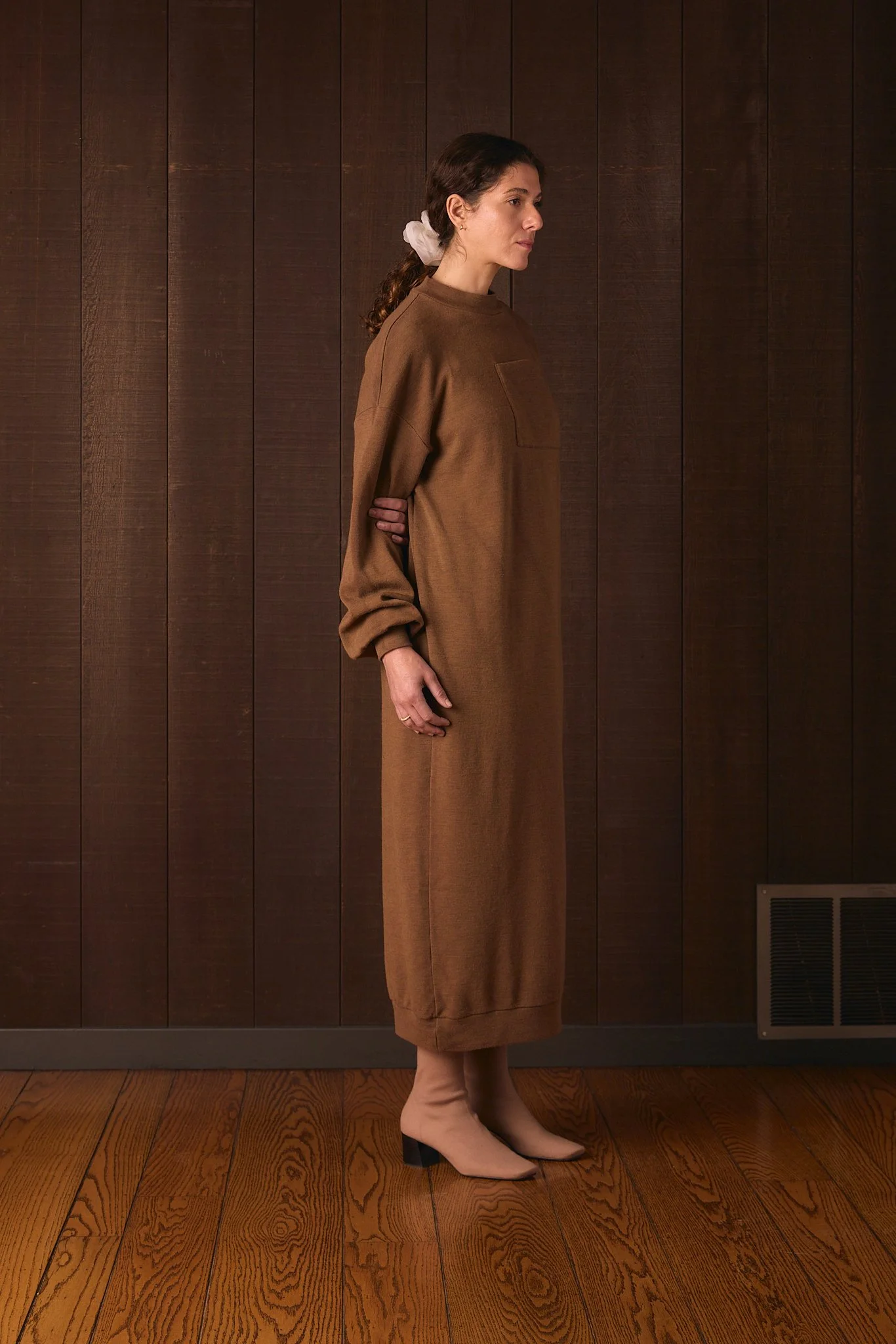
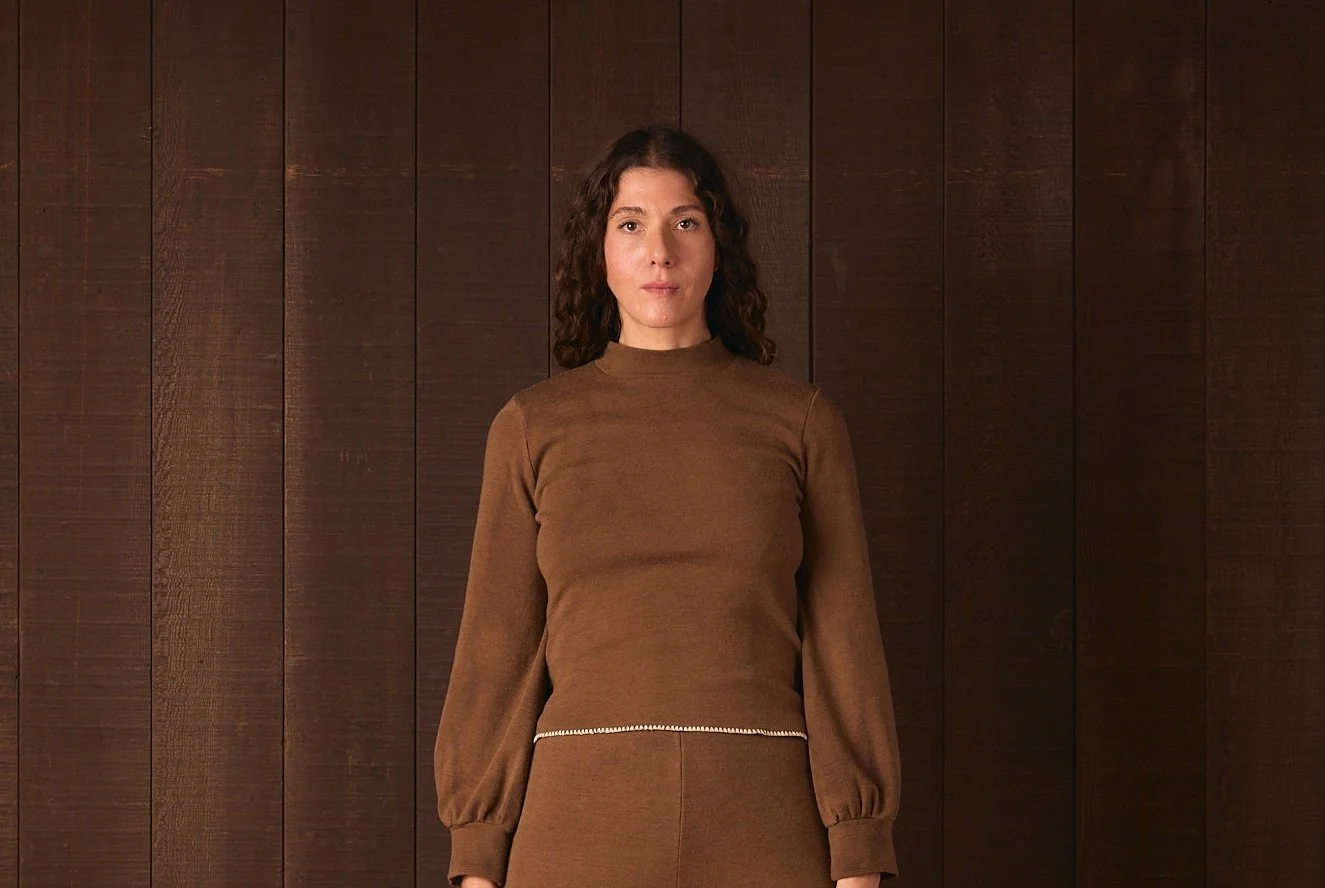
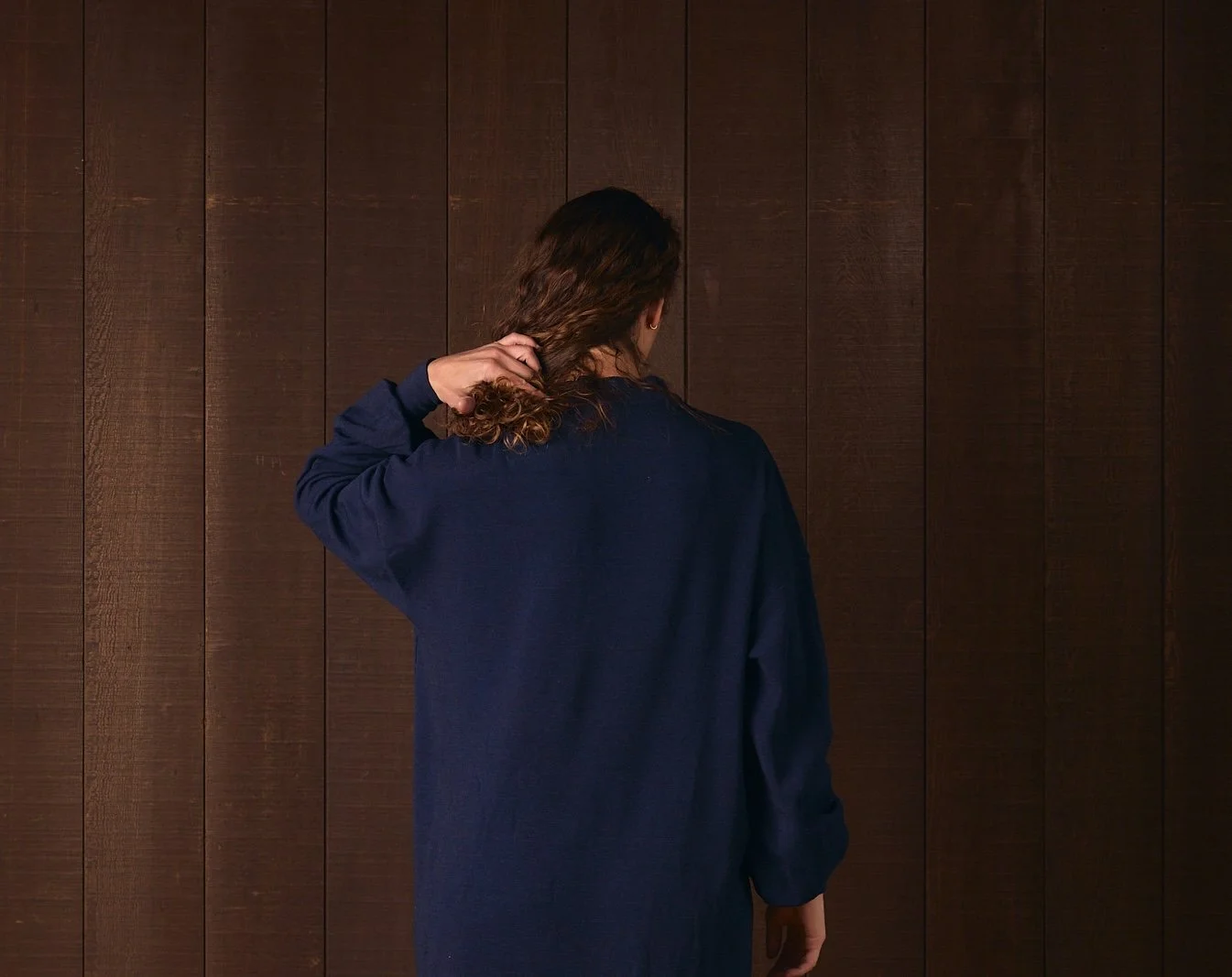
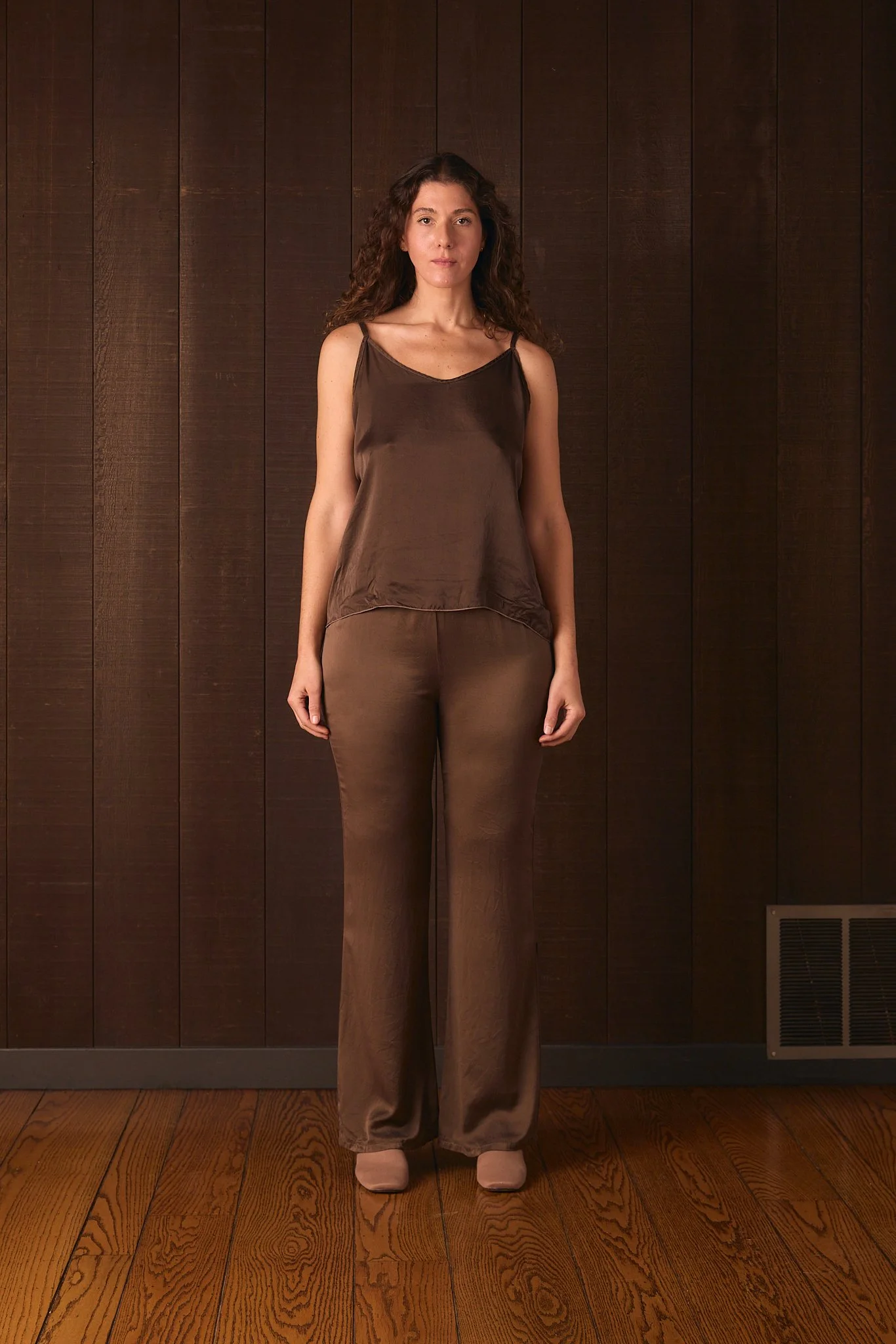
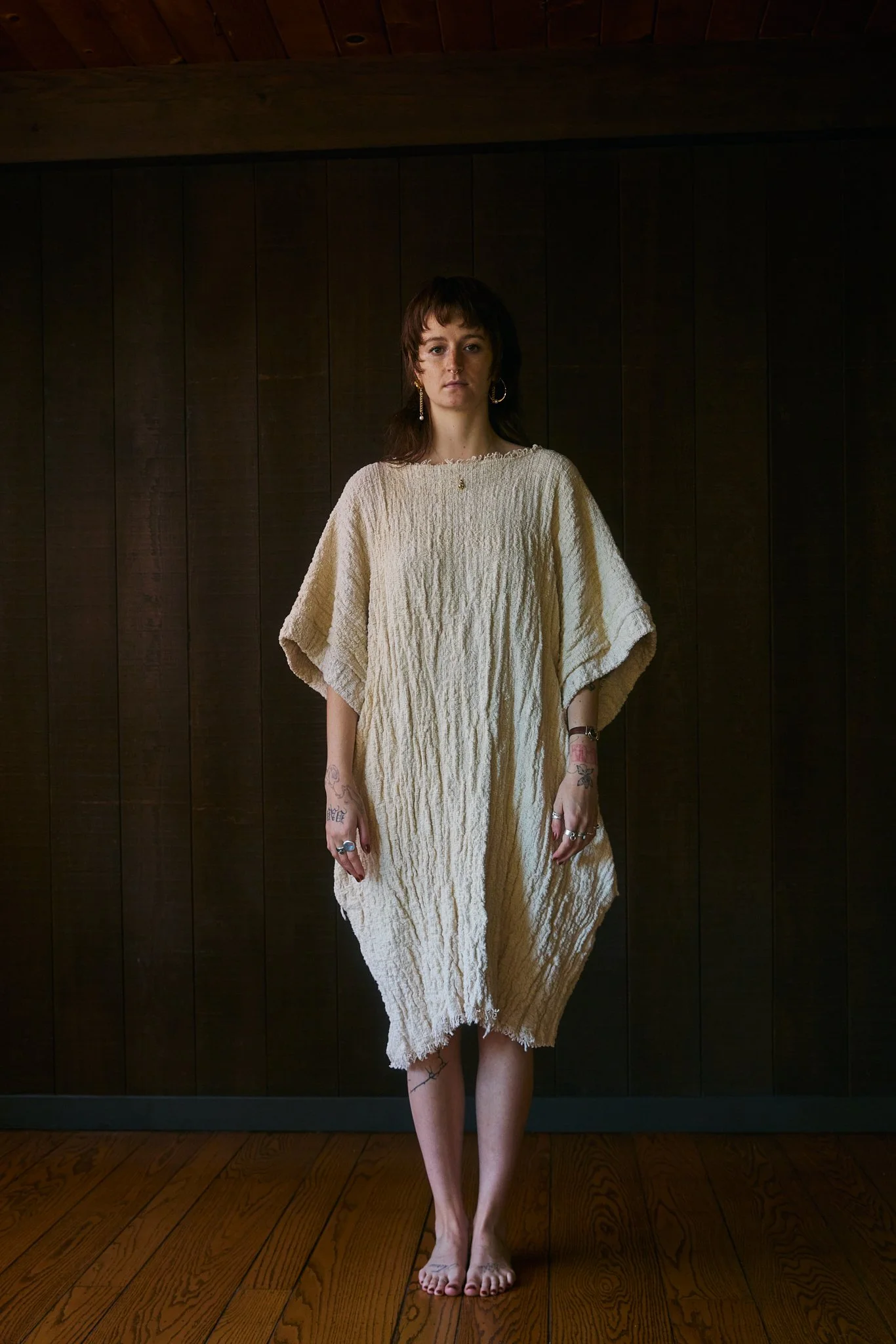
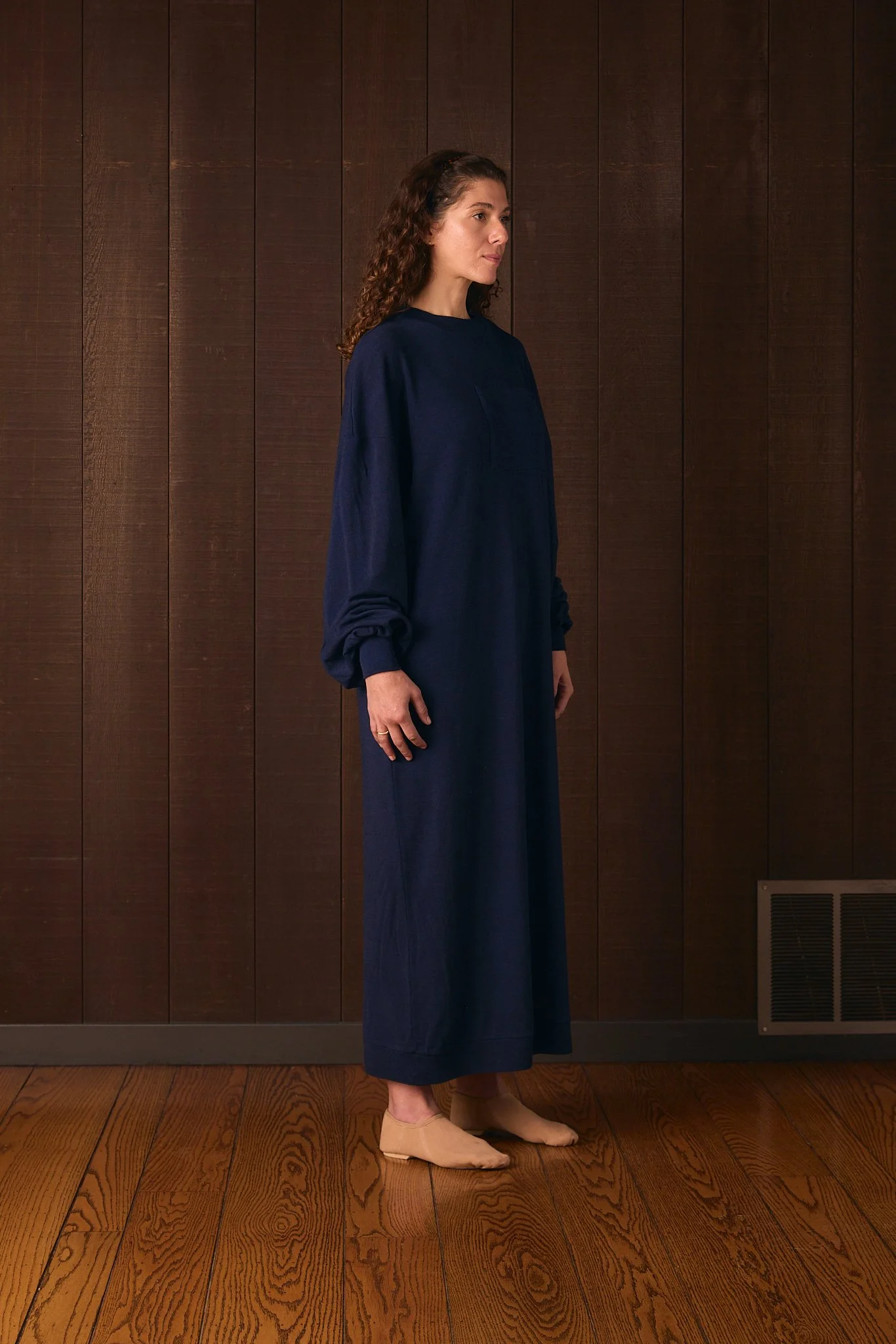
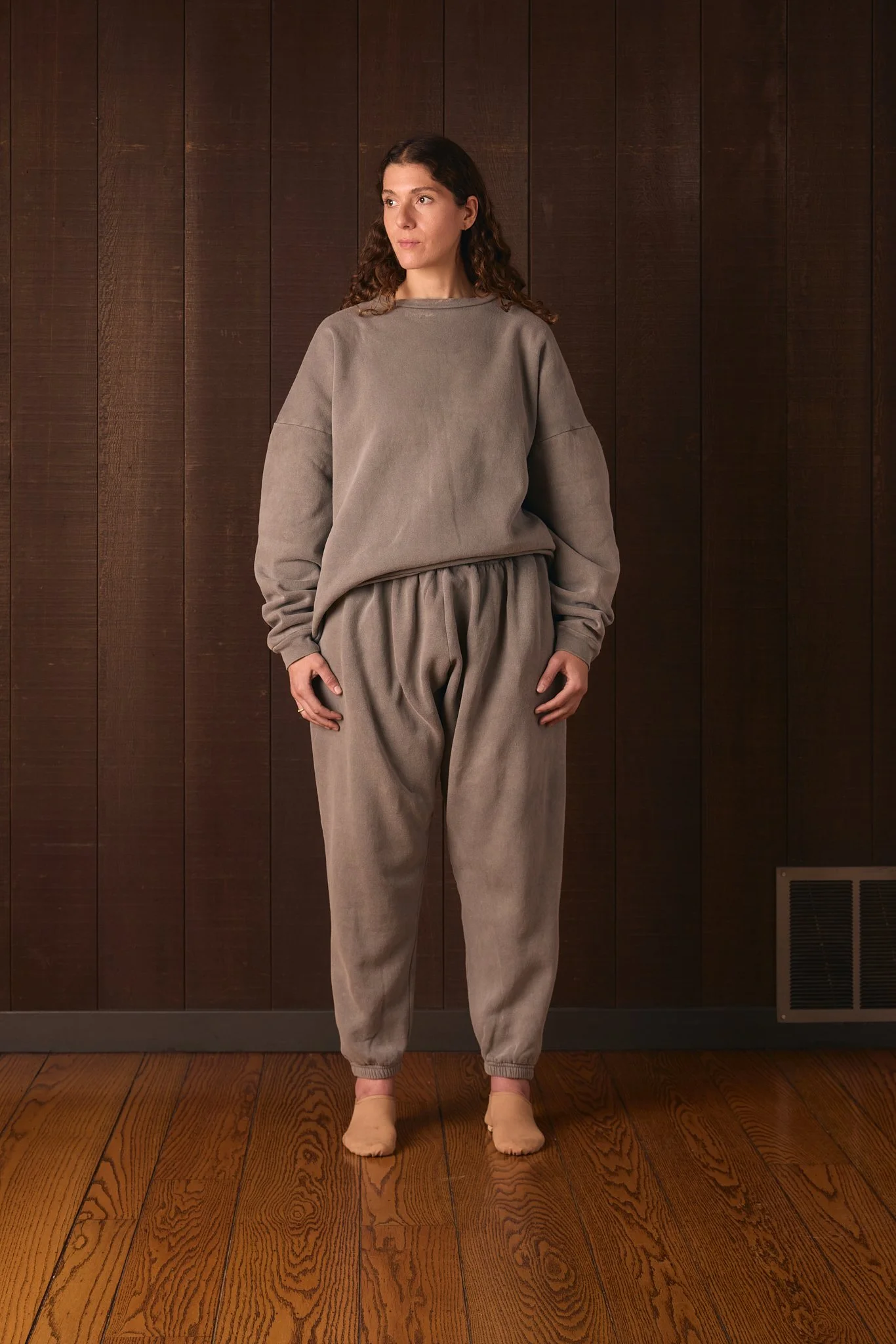
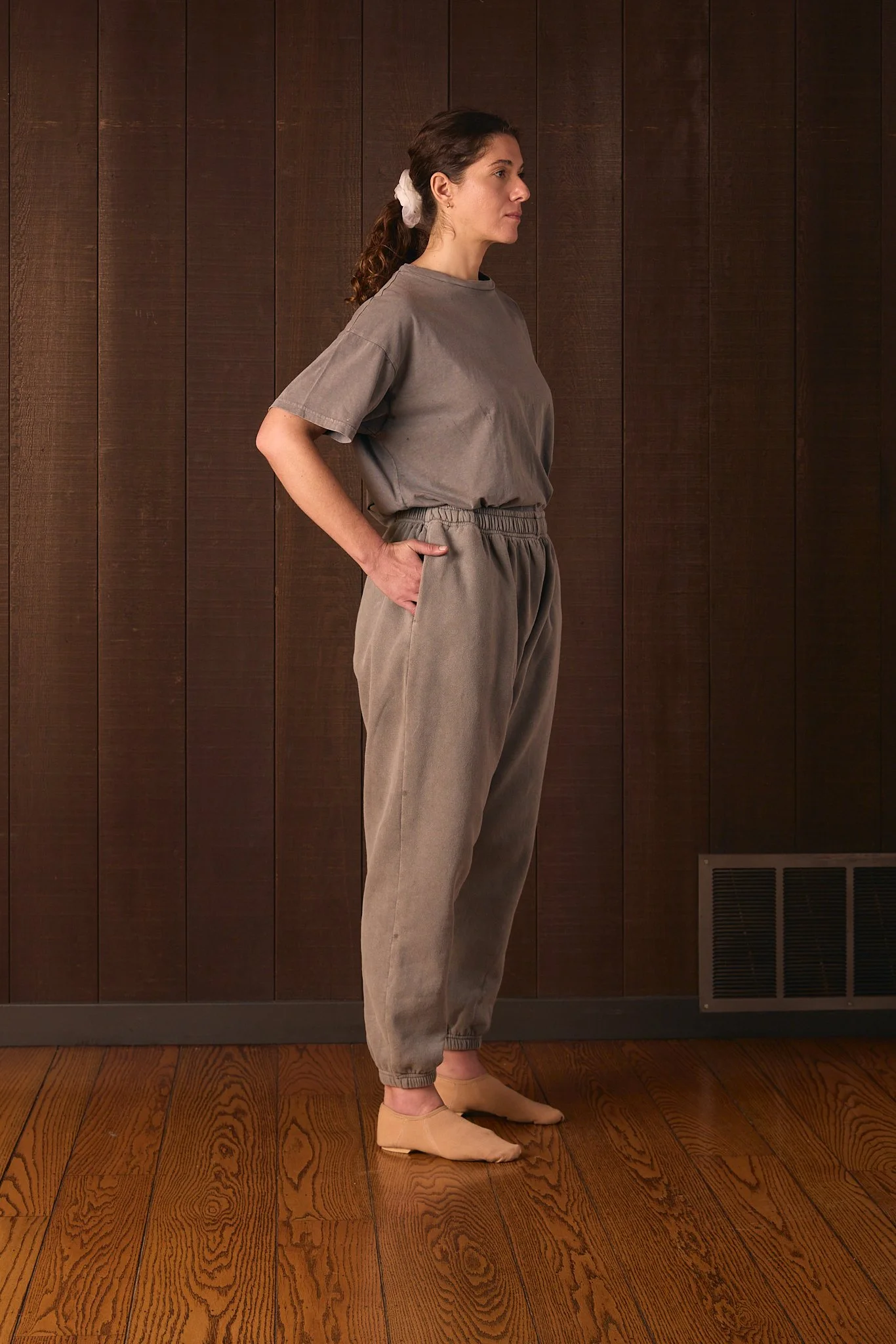
For seven years, I've been developing Herderin as both a business venture and an applied extension of my scholarly work on identity, embodiment, and material culture. The brand creates clothing specifically designed for tall women using Climate Beneficial(tm) certified materials and plant-based dyes—positioning regenerative practice not as compromise, but as the foundation for designing bodies into existence rather than designing them out.

Theoretical Foundations

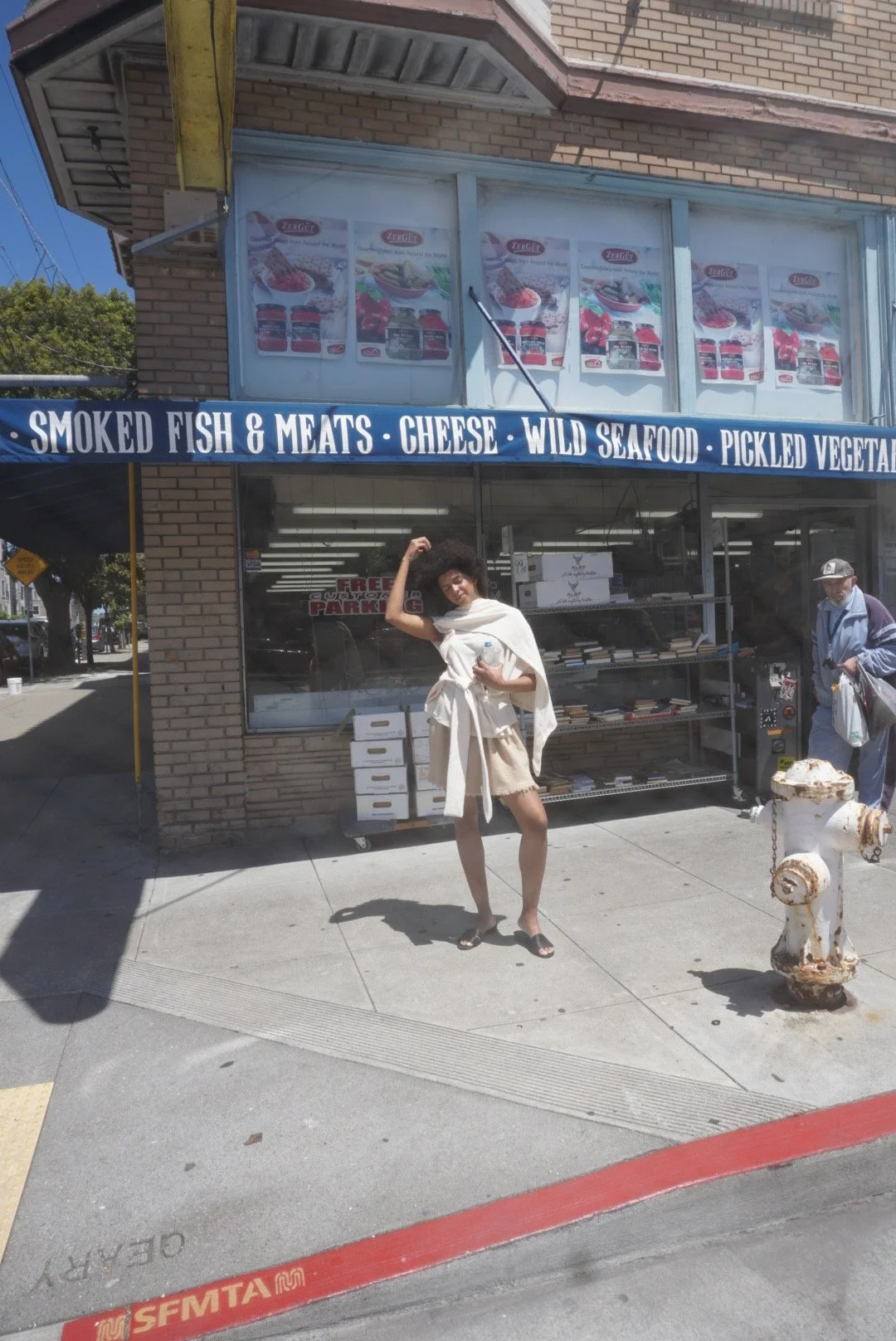
My current research examines clothing as infrastructure for reflexive identity work, challenging the dominant framing of fashion consumption as individualistic expression. Through qualitative interviews in the San Francisco Bay Area, I found that daily dressing practices constitute collective empathy and social care—people dress for and with others, not merely for themselves.

Herderin operationalizes these findings. Rather than treating tall women as a niche market to be "included" in standard sizing, the brand is tall-centered: it begins from tall bodies as the design standard. This reversal matters theoretically and materially. Inclusion assumes a norm to which others are added; centering assumes no such hierarchy.

Precarity, Labor, and Material Culture

My broader research investigates how material resources function as infrastructure for professional identity under precarious capitalism. In my ethnographic work at a luxury design firm, I documented how organizations systematically extract what I call "performative capital"—the aesthetic labor and identity work that workers must perform without adequate compensation.

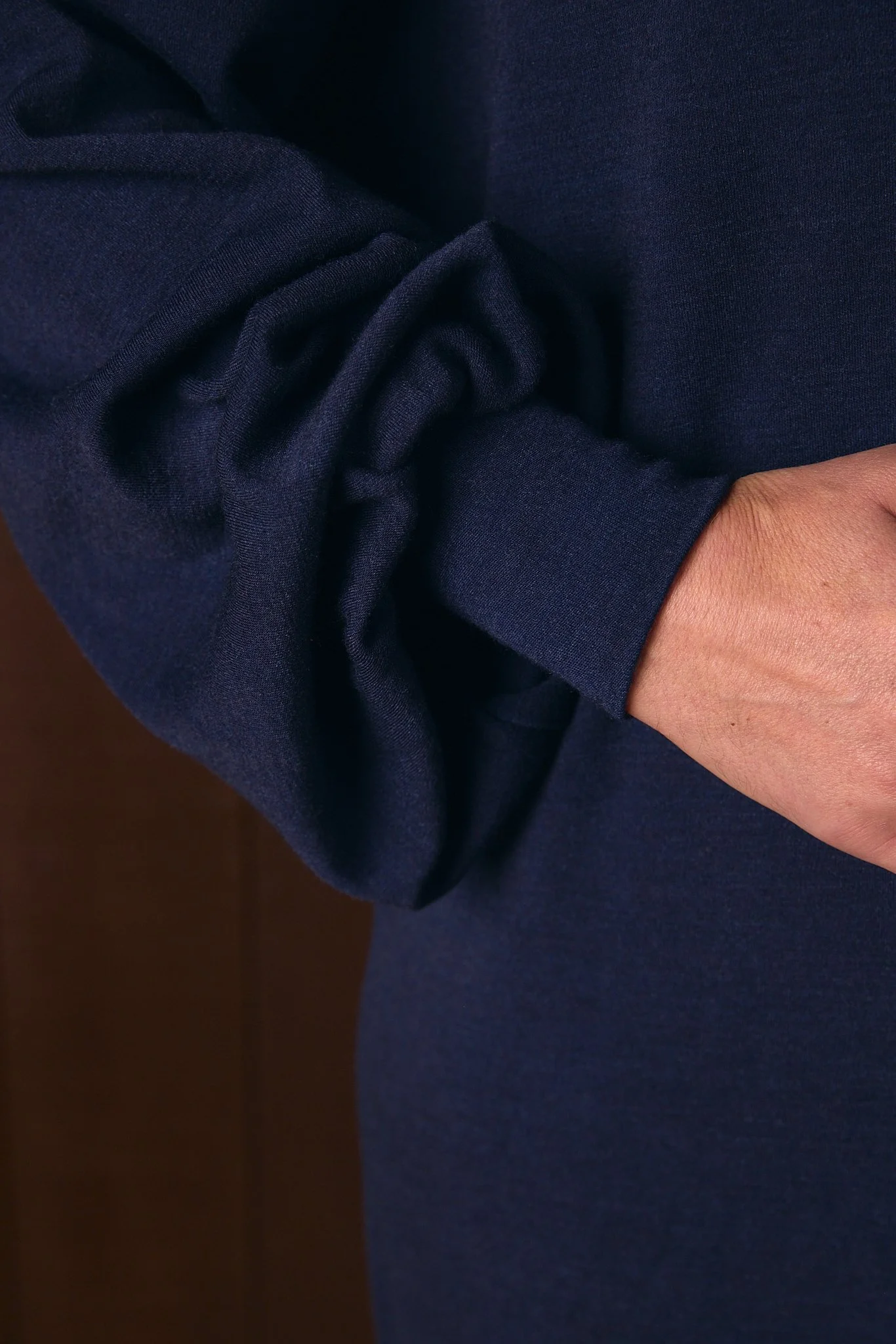
Herderin addresses parallel dynamics in fashion markets: tall women perform extensive identity work to compensate for garments that don't fit—rolling sleeves, hiking hems, accepting exposure, managing the affective labor of being hypervisible in bodies marked as "too much." This is uncompensated labor extracted by a market failure.

By creating garments that fit tall bodies as designed, Herderin reduces the identity work required of tall women and redistributes the labor of accommodation back to the production process where it belongs.

Regenerative Materials as Social Practice

The use of Climate Beneficial(tm)certified materials and plant dyeing is not incidental to this project. My research on embodiment and material culture demonstrates that what we wear mediates our relationships not only with ourselves and others, but with ecological systems.

Fashion's environmental crisis is also a crisis of how bodies are valued. Fast fashion's logic—cheap, disposable, ill-fitting garments—assumes bodies and ecologies are equally disposable. Regenerative materials demand slower, more careful production; tall-centered design demands attention to how bodies actually exist in the world. Both recognize that care takes time and resources.

Current Stage

After 2 years of intensive product development, Herderin is ready to launch. I am currently seeking $175,000 in funding from Fibers Fund to support the brand's first production run, compensate the founding team, and establish sustainable operations.

This venture sits alongside my academic work—not as a departure from scholarship, but as its application. I am simultaneously on the academic job market for fall 2026, pursuing tenure-track positions in sociology where I can continue research on identity, materiality, and organizational practice while building Herderin as a case study in translating theory into practice.

Why This Matters

Herderin is my answer to a question that emerged from my research: if daily dressing is reflexive identity work, and if material resources are infrastructure for that work, what happens when we build that infrastructure with care—for bodies, for workers, for ecologies?

For academic audiences, I hope this project demonstrates that rigorous theoretical work can inform concrete interventions. For tall women, I hope it offers what I've needed for years: clothing designed for our bodies, not despite them.

For more information about the research foundations of this work, my peer-reviewed journal articles will be released (currently under review at Symbolic Interaction and Theory and Society). For updates on Herderin's development, visit herderin.com.

collaborators

Josh Soyombo, Dr. Helene Jones, Alexis Fujii, Alice Money, Gigi Yore, Lily Hourigan, Flavia Dawson, Johnny Fan, Stella Lee Harry, Alexandra Nugent, Simrah Farrukh, Naomi Hawksley, Jessa Carta, Aja Dewolf Moura, Edan Winckler, Eli Elisco, Johanna Butterworth, Justus Hendrix, Maeve O’Sullivan, Everett Noel, Natalie Silva, Mary Claire Hancock, Christine Mineart, Brynna Levine, Hubbard Jones, Marcee Jones, Christina Moreno, Palko Roman, Desiree Thornton, Justine Vivien, Ulysses Ortega, Ombia Studio, Liis Fragrances, Summer Solace Tallow, Harper The Label.
Next
Next

kodama