The Unbecoming Sessions
Every morning, you get dressed. You rarely ask why.
This work does.

What i Offer
Identity Alignment Work with Alix Vasquez, PhD

This work is for you if you've always felt like a misfit.
Not because something is wrong with you — but because you've never been willing to fully abandon yourself to fit in. You've negotiated, performed, adapted. And it's worked, up to a point.
But the cost has been high. And you know it.
You might be a founder, a creative, an academic, a leader. What you share is this: you think deeply, you feel what others don't name, and somewhere along the way you learned to perform a version of yourself that the world found more acceptable than the real one.
This work is about finding your way back. Not through reinvention — through recognition. Seeing clearly where the performance ends and where you actually begin.
It's grounded in sociology, shaped by years of research on identity and embodiment, and it's deeply experiential. You won't just talk about your life. You'll move through it differently.
Why I do this work
I have spent my career studying the gap between who people are and who their world asks them to be. My doctoral research at Brandeis examined identity negotiation — how people contort themselves to fit organizations, cultures, and expectations that were never built for them. My research on sartorial labor named the invisible cost of dressing for a self you haven't chosen.
But this isn't just academic for me. I founded Herderin because I believe clothing can be a daily act of self-recognition rather than self-erasure. I have sat with hundreds of people and watched how they speak to themselves through what they wear. I have spent years doing my own deep work — embodiment, somatic practice, contemplative inquiry.
I am not a therapist. I am a sociologist who works at the level of the self. That distinction matters. I will help you see the structures shaping you — and help you decide which ones you're done carrying.
This is not just a talking practice. Each experiment is drawn from original qualitative research on identity, embodiment, and the relationship between clothing and selfhood. You are not a client moving through a program. You are, in some sense, a participant in an ongoing inquiry.What working together looks like
We begin with an exploration session — a 30 minute conversation to see if this work is the right fit for you. There is no pressure and no commitment. Just an honest conversation.
If we decide to move forward, we enter The Unbecoming Sessions — a three session arc over one month. This is not just a talking practice. Each experiment is drawn from original qualitative research on identity, embodiment, and the relationship between clothing and selfhood. You are not a client moving through a program. You are, in some sense, a participant in an ongoing inquiry.
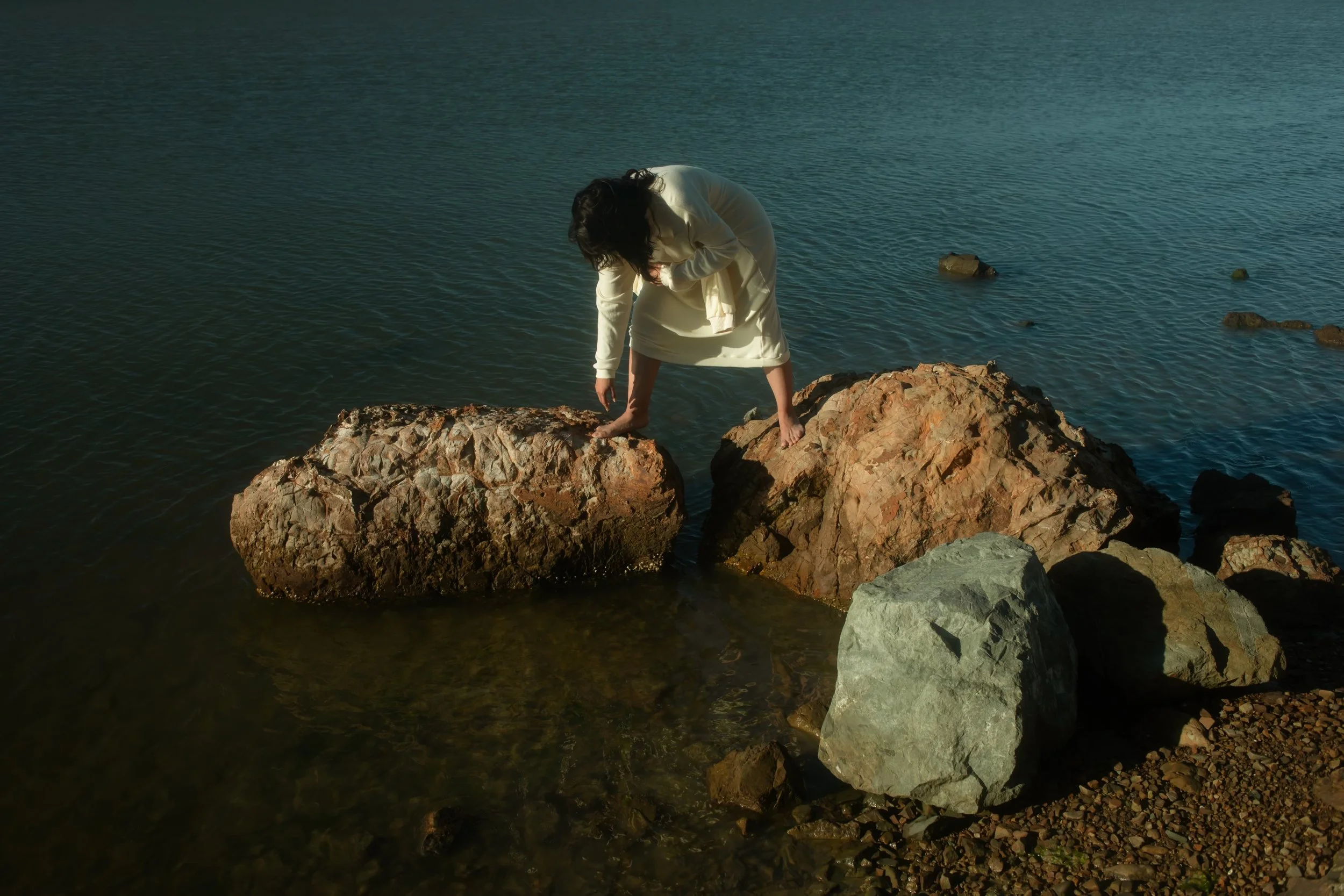
Exploration session (free)
Who you are and where you feel the gap
Whether this work is the right fit
What The Unbecoming Sessions would look like for you specifically
Any questions you have
No pitch, no pressure — just honest conversation
Session One: Mapping
The Experiment: The Garment
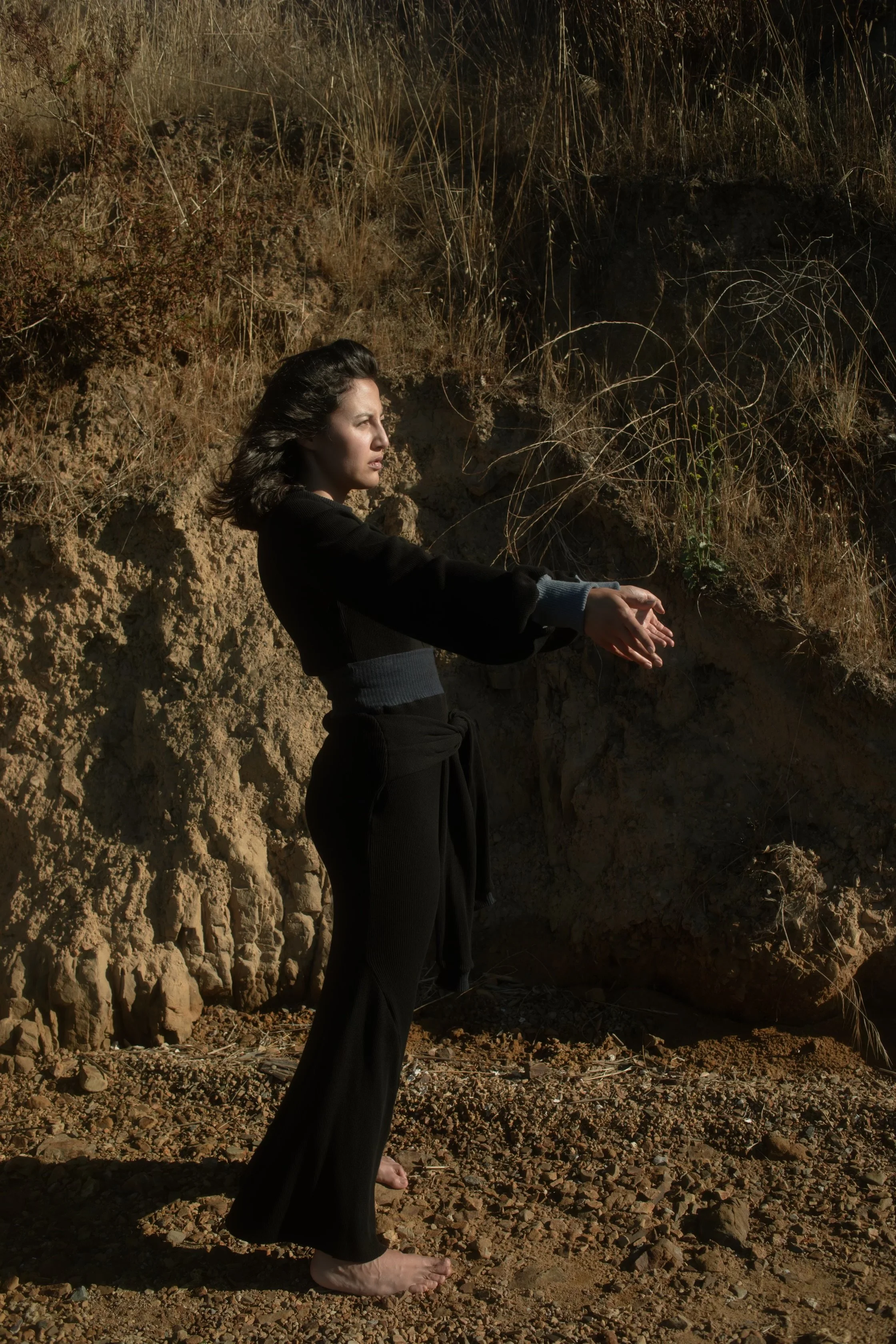
Before we meet, you identify the piece of clothing that carries the most emotional weight. The one you can't get rid of. The one with a story attached.
In our session, we slow down and listen — to your story, your patterns, the places where something has never quite fit. The garment becomes a portal into that. Together we reinvent its story. You practice the act of authorship: deciding what something means, rather than inheriting the meaning.
You will likely name things you have never named out loud before.
Session two: seeing the structure
The Experiment: The Swap
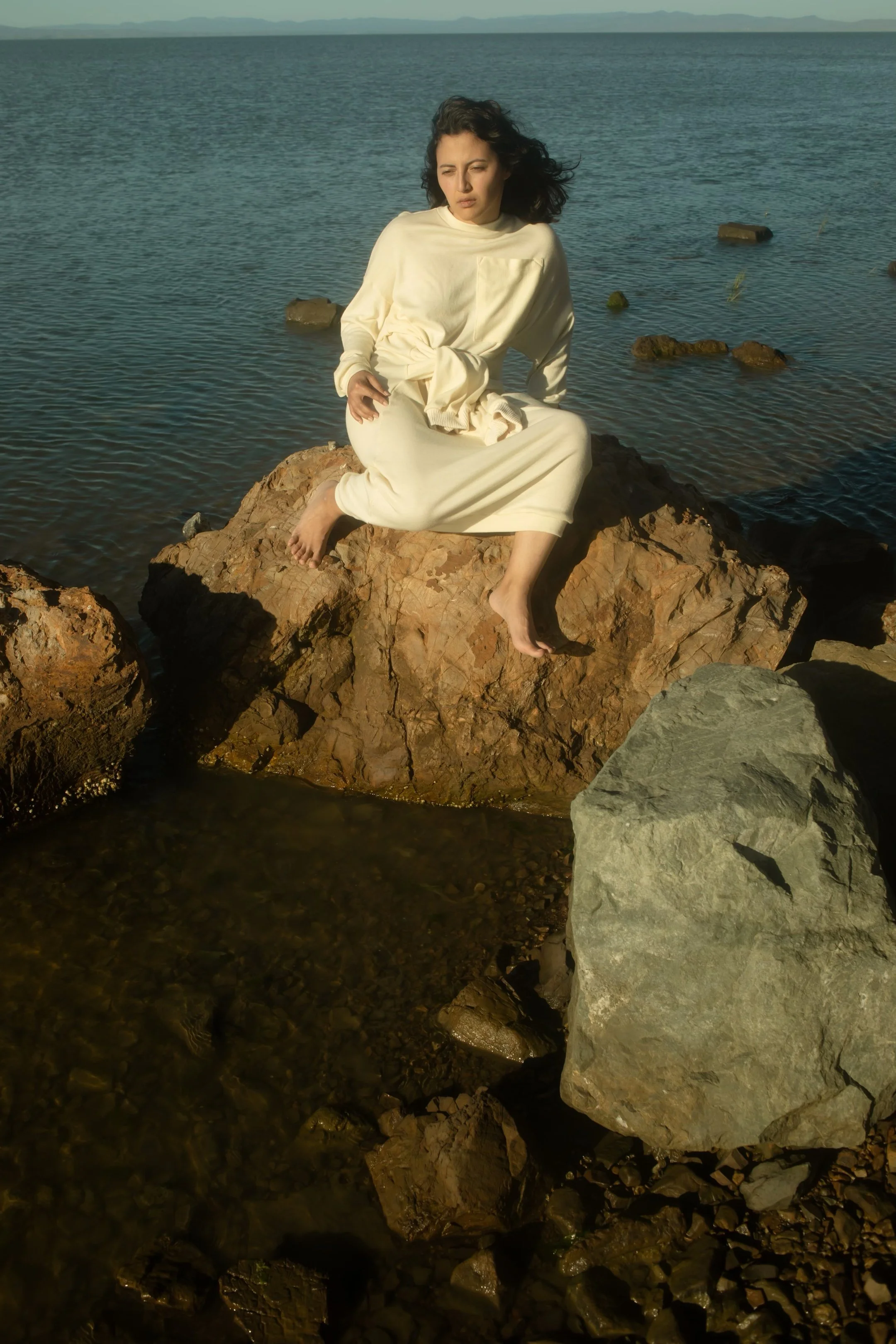
Before we meet, you will swap wardrobes with someone I match you with. You will live in their clothing for a defined period and journal what it surfaces — about identity, comfort, the self you perform, the self you protect.
In our session, we bring a sociological lens to what emerged. Where did your sense of self in clothing come from? What systems, expectations, and performances shaped it?
Understanding the structure beneath your experience changes everything.
Prior research participants described this as wanting to expand themselves — to find out who they might be outside the wardrobe they'd built as armor.
Session three: coming home
The Experiment: The Mirror

Before we meet, you remove your mirrors. For a defined period, you live without the external gaze — without checking, confirming, adjusting.
In our session, we move from insight to embodiment. What remains when the gaze is gone? What do you actually feel in your body, independent of how you appear? You leave with clarity and a concrete sense of what living from that place actually looks like.
This experiment is drawn from four years of personal practice — living without mirrors entirely. What emerged from that time became the foundation of this work: that the body, freed from the constant surveillance of its own reflection, begins to know itself differently. Participants who have done shorter versions of this practice describe a profound shift in how they inhabit themselves.
what becomes possible
People who do this work stop contorting. They stop spending energy on performances that cost more than they return. They make decisions from a clearer place. They build work, relationships, and lives that actually fit.
This doesn't mean everything becomes easy. It means you stop being at war with yourself. And from that place, almost everything else gets easier.
Ready to begin?
If any of this resonates, the first step is simple. Book a 30 minute exploration session and let's talk.
This is for you. You've always known something didn't fit. Let's find out what does.
Book your exploration session →
"Every morning, before we walk out the door, we stand in front of a mirror and make a decision about who we are. I have spent my career studying that moment — in fitting rooms where people judge themselves in real time, in organizations where workers contort themselves to fit cultures that were never built for them, in research on the invisible labor of dressing for a self you haven't chosen. I have sat with the long-term unemployed rebuilding identity after loss, with new mothers navigating who they are on the other side of becoming, with entrepreneurs and artists who built something real but lost themselves in the process. It all comes back to the same question: what does it cost to perform a self that isn't yours? The Unbecoming Sessions are where that question finally gets answered."
— Alexandria Vasquez, PhD
Get In Touch
Whether you have questions about The Unbecoming Sessions or simply want to say hello, I'd love to hear from you. Reach out directly at alexandria.vasquez@gmail.com or book your exploration session here.